Video 1
Video 2
Video 3
Comedonal acne is a form of acne characterized by non-inflammatory lesions known as comedones, which include blackheads (open comedones) and whiteheads (closed comedones). It develops primarily through a disruption in the normal function of the hair follicle, where sebum and dead skin cells accumulate instead of being shed efficiently. Under typical conditions, skin cells lining the follicle are regularly renewed and released to the surface. In comedonal acne, this process becomes altered, leading to follicular keratinization, where excess keratin and sebum combine to form a plug داخل the pore. When the pore remains open, the material oxidizes and darkens, forming a blackhead. When the pore is closed, the buildup remains beneath the surface, resulting in a whitehead.
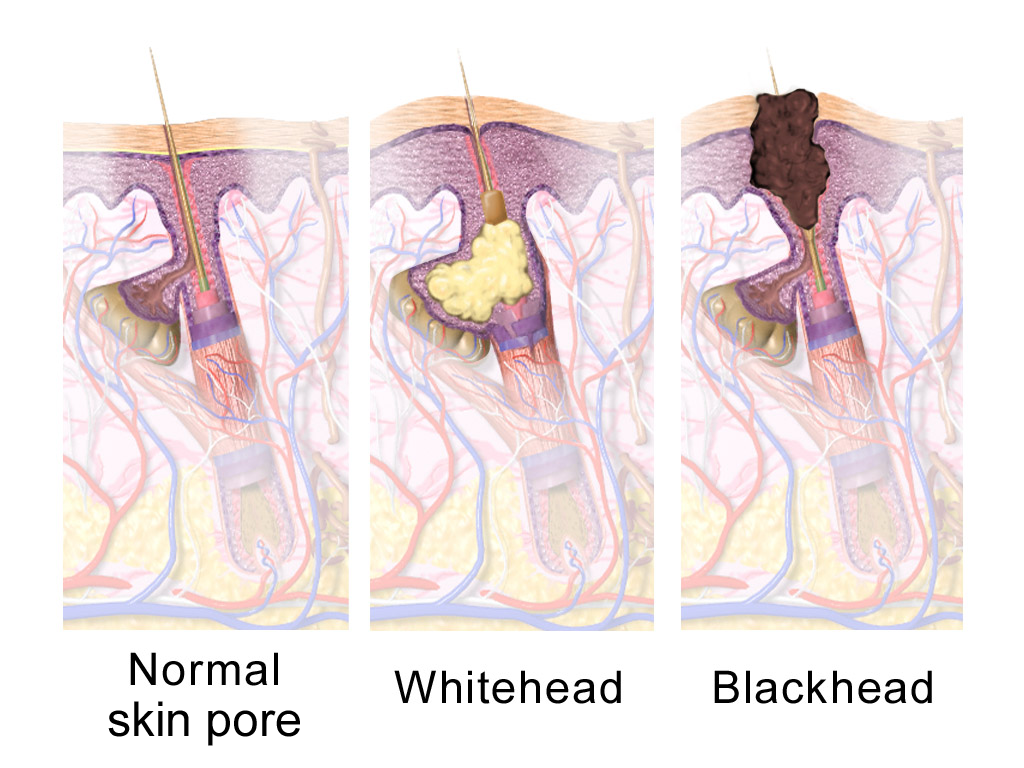

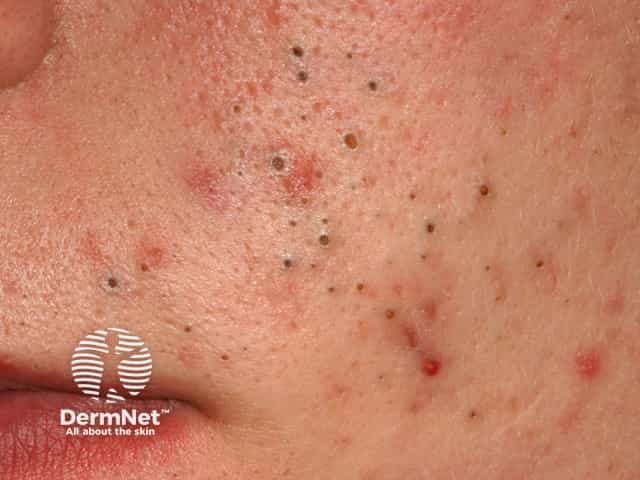

Several biological and environmental factors can contribute to the development of comedonal acne. Sebum production plays a central role, as increased oil output can make it easier for dead skin cells to stick together داخل the follicle. Hormonal fluctuations, particularly those involving androgens, may stimulate sebaceous glands and increase the likelihood of pore congestion. Genetics can also influence how the skin produces oil and sheds cells, making some individuals more prone to comedones than others. External factors such as humidity, pollution, and occlusive skincare or cosmetic products may further contribute by adding layers of residue that can block pores.
Skincare habits are another important component in the formation of comedonal acne. Inadequate cleansing may allow oil, sweat, and environmental debris to accumulate on the skin, increasing the risk of clogged pores. On the other hand, overly harsh cleansing or excessive exfoliation can damage the skin barrier, leading to irritation and compensatory oil production. The use of comedogenic or heavy formulations, particularly those that create an occlusive layer, may trap sebum and dead skin cells داخل the follicle. Even factors such as frequently touching the face or not removing makeup thoroughly can contribute to the buildup that leads to comedones.
Managing comedonal acne typically focuses on normalizing skin cell turnover and keeping pores clear while maintaining the integrity of the skin barrier. Topical retinoids are often recommended because they help regulate keratinization and prevent the formation of new comedones. Salicylic acid, a beta hydroxy acid, is commonly used for its ability to exfoliate داخل the pore and dissolve excess oil and debris. Niacinamide may help support the skin by reducing inflammation and balancing sebum production, while gentle, non-comedogenic moisturizers can maintain hydration without contributing to pore blockage.
In some cases, additional treatments may be considered. Chemical exfoliants, when used appropriately, can help improve skin texture and reduce the buildup of dead skin cells. Professional treatments such as comedone extraction or prescription-strength retinoids may be recommended for more persistent cases. However, consistency and patience are important, as comedonal acne often develops gradually and may take time to improve with treatment.
It is important to recognize that comedonal acne is a common and manageable condition, but it rarely resolves instantly. Because multiple factors—including hormones, genetics, and environmental exposure—can influence its development, treatment approaches are often individualized. Avoiding overly aggressive routines and focusing on steady, evidence-informed care can help reduce the formation of clogged pores over time. For individuals experiencing persistent or worsening symptoms, consultation with a qualified dermatologist can provide guidance tailored to their specific skin condition.
