Non-inflammatory acne develops when pores become clogged without triggering a strong immune response in the surrounding skin. At the center of this process is the hair follicle, where sebum and dead skin cells can accumulate due to altered cell turnover. When these materials build up inside the pore, they form comedones rather than inflamed lesions. If the pore remains open, the contents are exposed to air and oxidize, forming blackheads. If the pore stays closed, the material remains beneath the surface, forming whiteheads. In both cases, the blockage exists, but the surrounding skin does not show significant redness, swelling, or ցավ because inflammation is minimal.
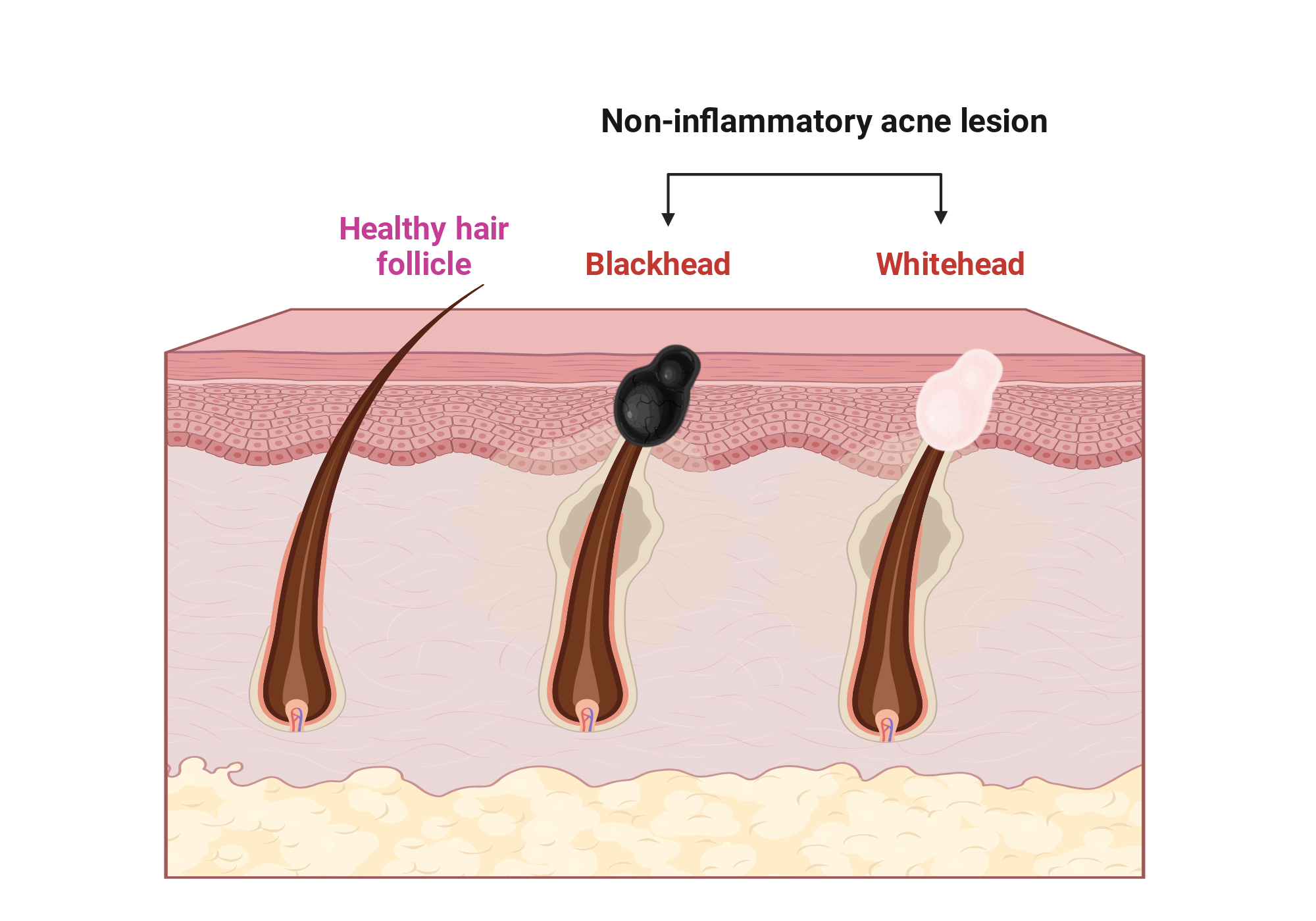

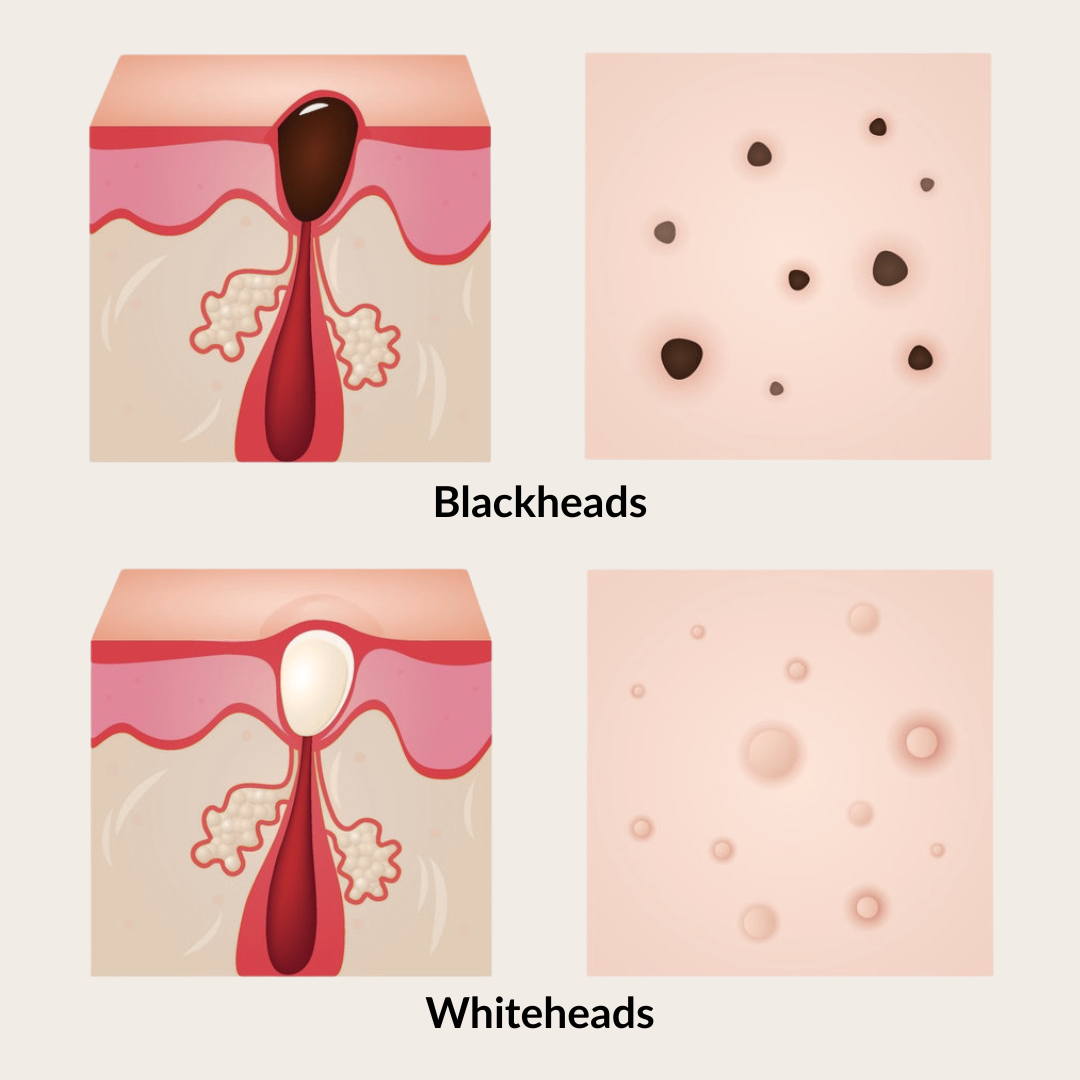
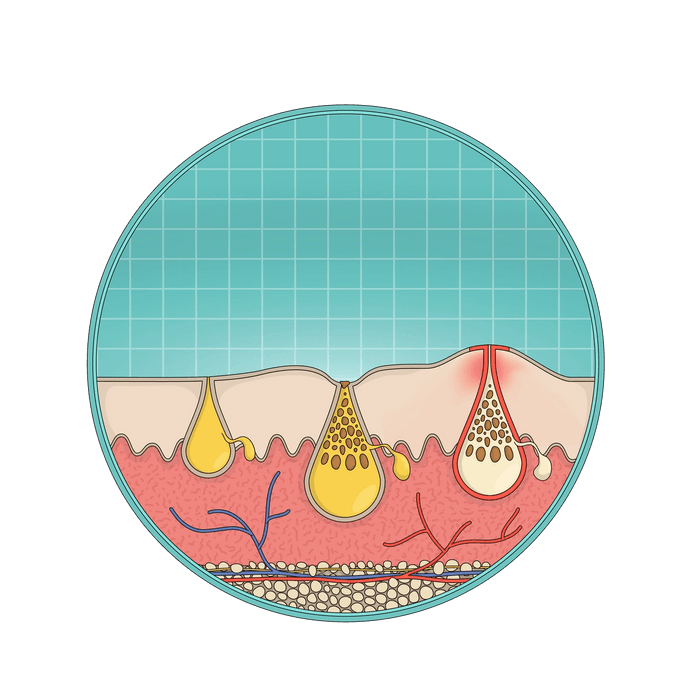
The absence of inflammation is largely related to how the skin’s immune system responds to the contents of the clogged pore. In non-inflammatory acne, the buildup of sebum and keratinized cells remains relatively stable and does not strongly activate immune pathways. This means that while the pore is blocked, there is limited recruitment of inflammatory cells and fewer chemical signals that would otherwise lead to redness or swelling. The bacteria commonly associated with acne, Cutibacterium acnes, may still be present, but in these cases it does not provoke a significant inflammatory reaction.
Sebum production and follicular keratinization remain key contributors. Increased oil production can make dead skin cells more likely to stick together inside the follicle, forming a compact plug. Genetics may influence how efficiently skin cells shed and how reactive the immune system is to blocked pores. Hormonal fluctuations, particularly those involving androgens, can increase sebum output and contribute to the formation of comedones without necessarily causing inflammation. External factors such as occlusive skincare products, environmental pollutants, and humidity can further promote pore congestion without immediately triggering an inflammatory response.
Skincare habits also play an important role in whether acne remains non-inflammatory or progresses into inflamed lesions. When pores remain clogged for extended periods, the environment inside the follicle can change, potentially allowing bacteria to proliferate and trigger inflammation. This is why untreated blackheads and whiteheads may sometimes evolve into red, swollen pimples. Conversely, maintaining a routine that keeps pores clear may help limit this progression.
Managing non-inflammatory acne typically focuses on preventing and clearing clogged pores while preserving the skin barrier. Ingredients such as retinoids are commonly used to regulate cell turnover and reduce the formation of comedones. Salicylic acid may help exfoliate داخل the pore and dissolve excess oil, making it useful for blackheads and whiteheads. Gentle cleansing and the use of non-comedogenic products can also reduce the likelihood of pore blockage. Harsh or overly aggressive treatments are generally avoided, as they can irritate the skin and potentially trigger inflammation.
It is important to recognize that non-inflammatory acne is often an early or milder stage of acne, but it can persist or worsen if not managed appropriately. Because acne is influenced by multiple factors, including hormones, genetics, and environment, results from treatment may vary. For individuals experiencing persistent comedonal acne or progression to inflammatory lesions, consulting a qualified dermatologist may help guide a more tailored and effective approach.
