Acne begins at a microscopic level within the hair follicle, long before visible blemishes appear on the skin. The earliest stage involves subtle changes in how skin cells are produced and shed. Normally, keratinocytes lining the follicle renew and release evenly to the surface. In acne-prone skin, this process becomes disrupted, leading to a buildup of dead skin cells داخل the pore. At the same time, sebaceous glands may produce increased amounts of sebum. This combination of excess oil and retained cells forms a soft plug known as a microcomedone, which is considered the initial precursor to all acne lesions.

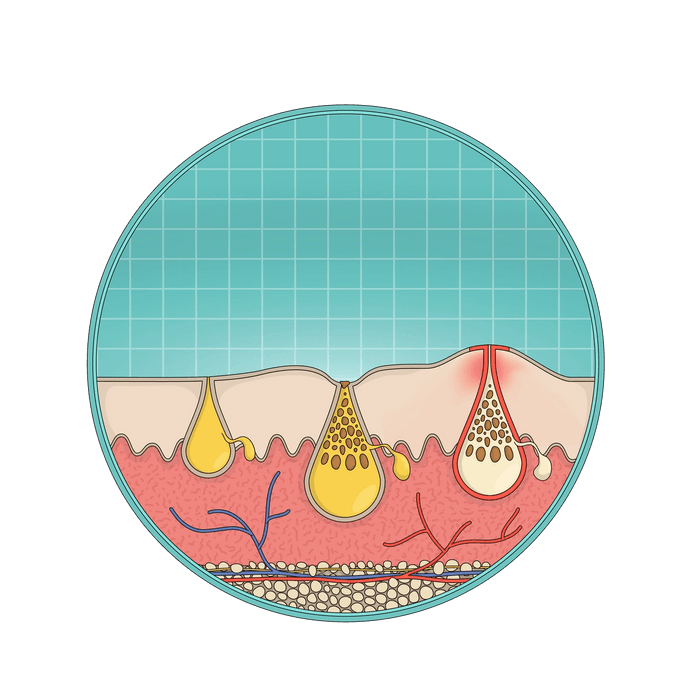

As the microcomedone develops, it may enlarge and become more structured. If the follicular opening remains open, the contents are exposed to air and undergo oxidation, leading to the formation of a blackhead. If the opening is closed, the buildup remains beneath the surface and forms a whitehead. At this stage, acne is still considered non-inflammatory, meaning there is little to no redness or swelling. However, the presence of these clogged pores creates an environment داخل the follicle that can support further changes.
Several internal and external factors contribute to these early processes. Hormonal activity, particularly androgens, can stimulate sebaceous glands to produce more sebum, increasing the likelihood of pore congestion. Genetics may influence how efficiently skin cells shed and how reactive the skin is to buildup داخل the follicle. Environmental factors such as humidity, pollution, and occlusive skincare products can also add to the accumulation of debris on the skin’s surface. Inconsistent cleansing, excessive touching of the face, or inadequate removal of makeup may further contribute to the formation of microcomedones.
If the clogged pore remains untreated, it can progress to more advanced stages of acne. The trapped mixture of sebum and dead skin cells can create conditions that allow acne-associated bacteria to multiply. This may trigger an immune response, leading to inflammation, redness, and the development of papules, pustules, or deeper lesions. Not all microcomedones progress to inflammatory acne, but they represent a critical early stage where intervention may help prevent worsening.
Managing acne at its earliest stage focuses on preventing the formation of microcomedones and maintaining normal skin cell turnover. Topical retinoids are commonly recommended because they help regulate how skin cells shed داخل the follicle, reducing the likelihood of buildup. Salicylic acid may assist in exfoliating داخل the pore and clearing excess oil, while niacinamide can help support the skin barrier and reduce mild inflammation. Gentle cleansing and the use of non-comedogenic products are also important in minimizing external contributors to pore blockage.
Understanding the early stages of acne highlights the importance of consistency and prevention rather than reactive treatment. Because these initial changes occur before visible breakouts, improvements may take time and require ongoing care. Acne is influenced by multiple factors, including hormones, genetics, and environment, so results can vary between individuals. For those experiencing persistent or worsening acne, professional guidance may help identify appropriate treatments tailored to their skin condition and reduce the risk of progression over time.
