Video 1
Video 2
Video 3
Skin repair after breakouts is a coordinated biological process involving inflammation resolution, barrier restoration, and tissue remodeling. When an acne lesion forms, the follicle becomes clogged with sebum and keratinized cells, often followed by bacterial proliferation and an immune response. As the lesion subsides, the skin shifts into a repair phase where damaged cells are cleared and new ones are generated. This process depends heavily on maintaining an intact skin barrier, as disruption can prolong inflammation and delay recovery.

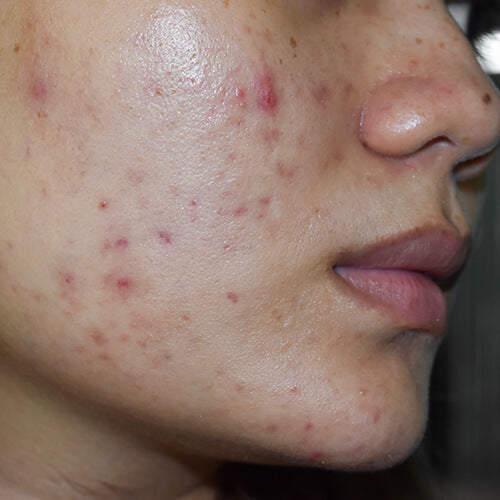
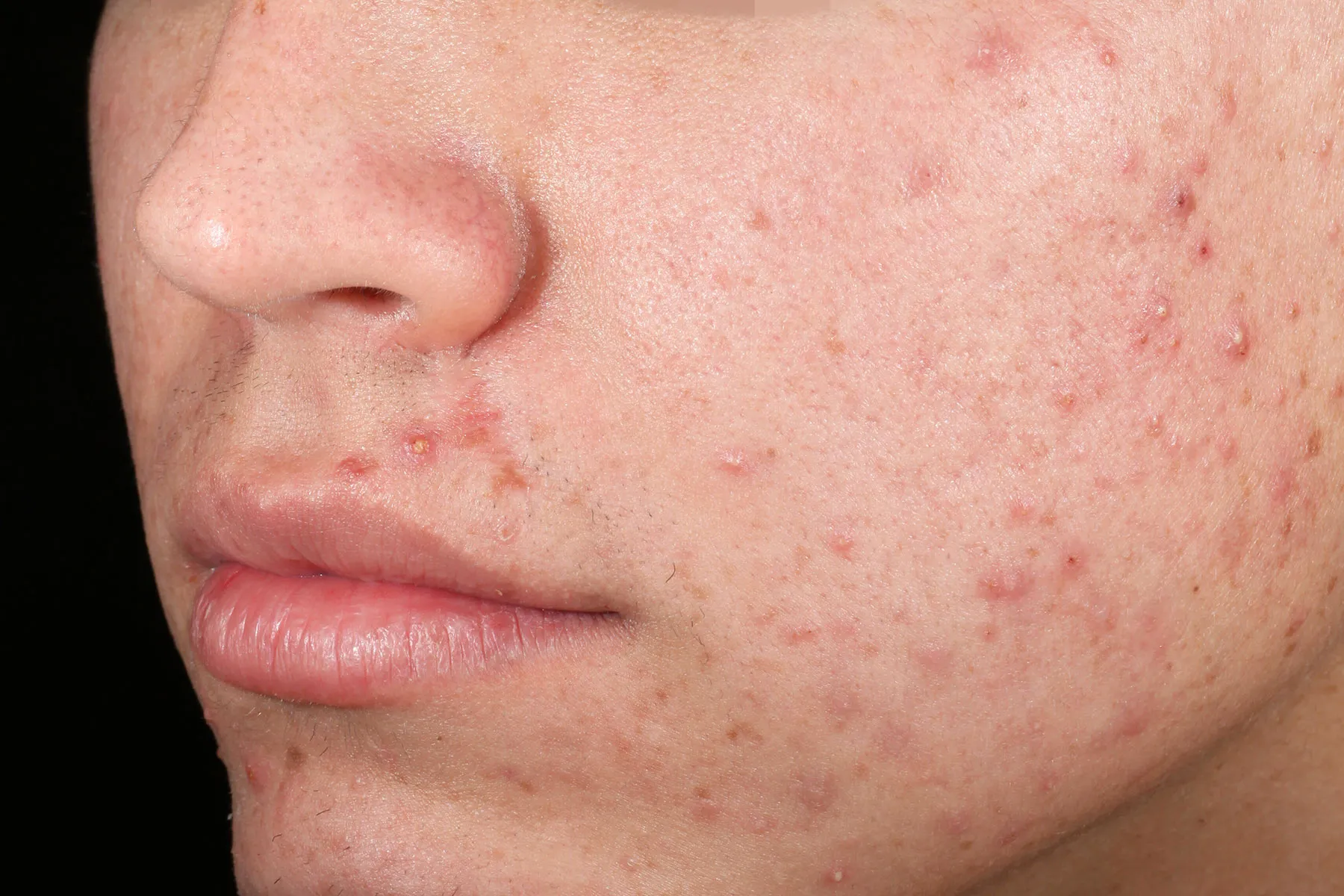
Several factors can influence how effectively the skin repairs itself after breakouts. Persistent inflammation from ongoing acne activity can interfere with normal healing, while excessive use of strong skincare actives may further damage the barrier. Environmental stressors such as ultraviolet exposure and pollution can also impair recovery by increasing oxidative stress and triggering additional inflammation. In individuals with acne-prone skin, repeated cycles of breakouts and irritation can weaken the skin’s resilience over time.
Supporting skin repair begins with reducing unnecessary irritation and allowing the barrier to recover. Gentle cleansing with non-stripping formulations helps remove excess oil and debris without disrupting protective lipids. Moisturizers containing ceramides, fatty acids, and humectants such as glycerin or hyaluronic acid are commonly used to replenish hydration and reinforce the barrier. This creates an environment that allows keratinocytes to regenerate efficiently and supports overall skin stability.
Targeted ingredients may also assist in the repair process when used appropriately. Niacinamide is often included for its potential to reduce inflammation and improve barrier function, while panthenol and similar soothing agents can help calm irritated skin. Retinoids may be introduced gradually to support cell turnover and long-term skin renewal, but their use should be balanced to avoid excessive dryness during the healing phase. Mild exfoliating agents, such as low concentrations of alpha hydroxy acids, can assist in removing residual dead skin cells, although overuse should be avoided to prevent further sensitivity.
Sun protection is an essential part of post-breakout care, as ultraviolet radiation can worsen post-inflammatory hyperpigmentation and slow the normalization of skin tone. A broad-spectrum sunscreen helps protect newly repaired skin and supports more even recovery. Avoiding behaviors such as picking or squeezing lesions is equally important, as mechanical trauma can disrupt healing and increase the risk of scarring or prolonged discoloration.
Professional care may be considered if healing is slow or if marks persist. Dermatological treatments can be tailored to support both acne control and post-inflammatory recovery, including options that promote collagen remodeling and improve skin texture over time.
Skin repair after breakouts is gradual and may take several weeks to months depending on the depth of the lesion and individual skin response. A consistent, balanced approach that prioritizes barrier support, controlled use of active ingredients, and protection from external stressors can help the skin recover more effectively and reduce the likelihood of long-term marks or scarring
