Whiteheads and blackheads are both forms of comedonal acne, meaning they originate from clogged pores rather than initial inflammation. They develop through the same underlying process, where excess sebum mixes with dead skin cells inside the hair follicle. This combination forms a plug that blocks the pore, beginning as a microcomedone. The key difference between whiteheads and blackheads lies in how the pore remains structured at the surface and how the trapped material interacts with the surrounding environment.

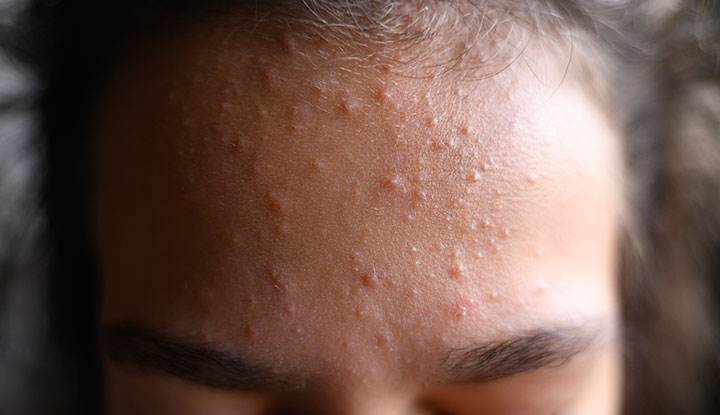
Whiteheads, also known as closed comedones, form when the pore becomes completely blocked and remains covered by a thin layer of skin. Because the follicular opening is sealed, the material داخل the pore is not exposed to air. This lack of exposure prevents oxidation, so the contents retain a lighter, flesh-colored or whitish appearance. Whiteheads often appear as small, slightly raised bumps on the skin and may feel firm to the touch. They are commonly associated with areas where oil production is moderate to high, and they can persist when normal skin cell shedding is disrupted.
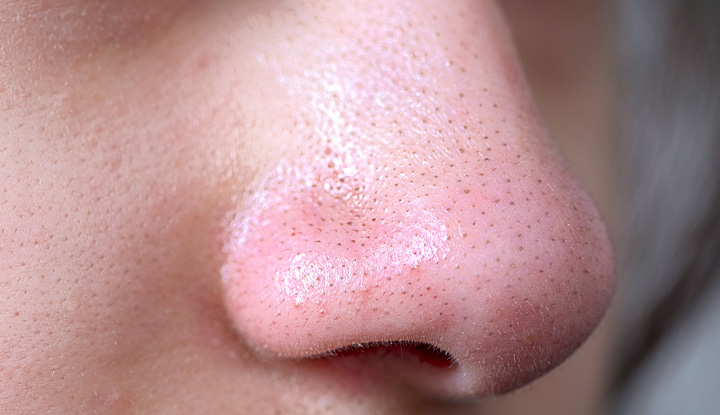
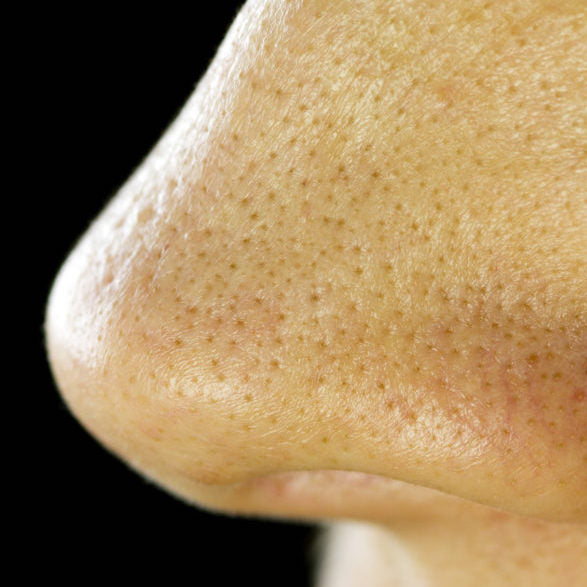
Blackheads, or open comedones, develop when the pore remains partially open. In this case, the mixture of sebum and dead skin cells is exposed to air, leading to a chemical process known as oxidation. This process darkens the surface of the plug, giving blackheads their characteristic black or dark brown appearance. Contrary to common belief, the color is not due to dirt but rather to oxidized lipids and melanin within the clogged material. Blackheads are typically more visible on areas such as the nose and forehead, where sebaceous gland activity is higher and pores tend to be more prominent.
Although both types of comedones share similar causes, their behavior and progression can differ slightly. Whiteheads may be more likely to rupture beneath the skin if pressure builds, potentially leading to inflammation and the formation of red or swollen lesions. Blackheads, on the other hand, tend to remain stable for longer periods but can still contribute to uneven skin texture and may also progress into inflammatory acne under certain conditions. In both cases, abnormal follicular keratinization and excess oil production are central factors.
Treatment approaches for whiteheads and blackheads often overlap, focusing on keeping pores clear and supporting balanced skin function. Ingredients such as salicylic acid are commonly used because they can penetrate oil-filled pores and help break down the material causing the blockage. Retinoids are frequently recommended to normalize skin cell turnover and prevent the formation of new comedones over time. Maintaining a consistent routine with gentle cleansing and non-comedogenic products may also help reduce recurrence.
While whiteheads and blackheads are generally considered mild forms of acne, they can be persistent if the underlying causes are not addressed. Improvements typically occur gradually with consistent care, as the skin requires time to regulate oil production and normalize its shedding process. For individuals experiencing widespread or resistant comedonal acne, professional evaluation may help guide more targeted treatment strategies.
