
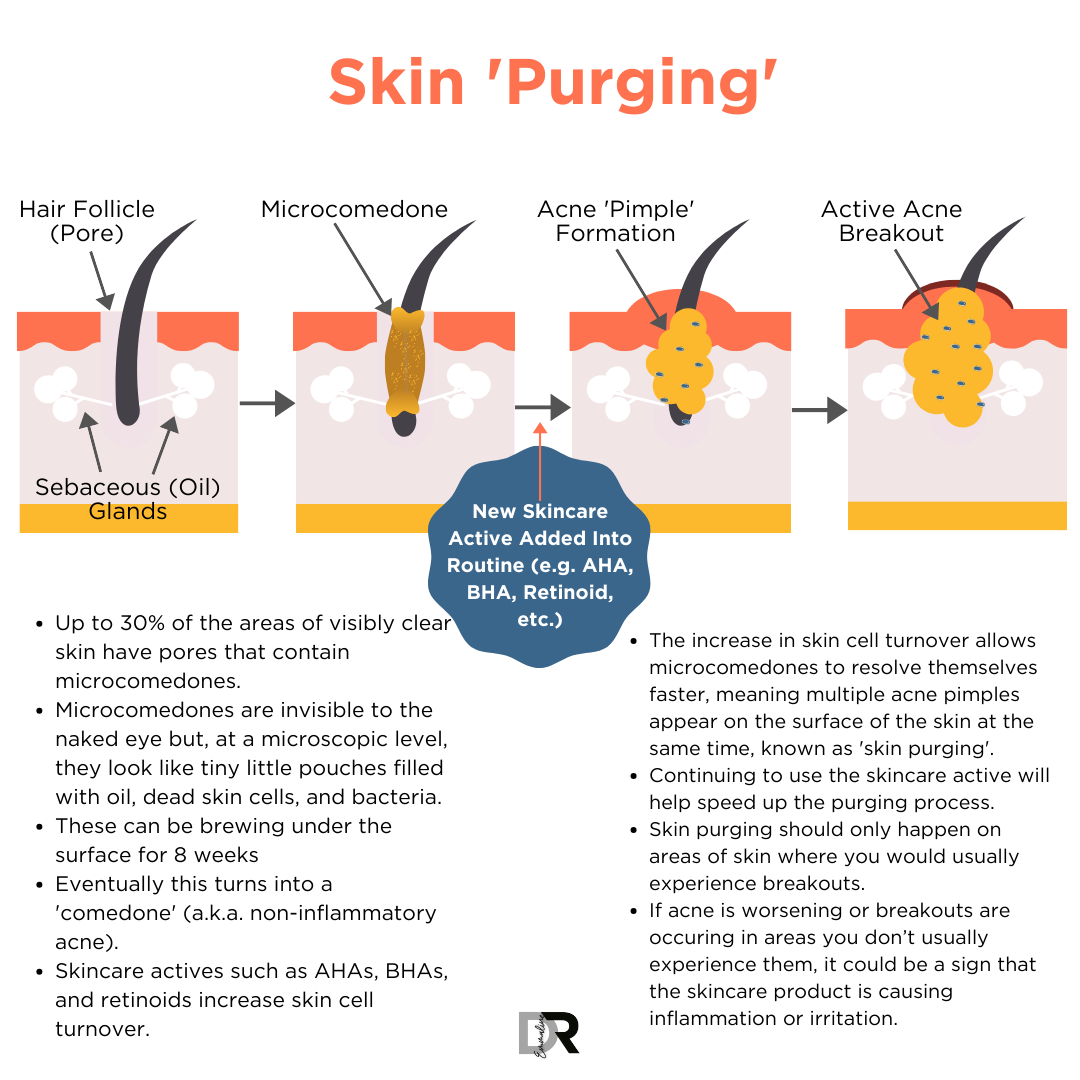

Retinoids are commonly used in acne treatment because they directly target several core biological processes involved in the formation of acne lesions. Derived from vitamin A, retinoids influence how skin cells grow, mature, and shed within the hair follicle. In acne-prone skin, abnormal follicular keratinization causes dead skin cells to accumulate and stick together inside the pore, forming the foundation for clogged pores and comedones. Retinoids help normalize this process by promoting more consistent cell turnover, reducing the likelihood that these cells will build up and block the follicle.
This normalization of cell behavior plays a central role in preventing both non-inflammatory acne, such as blackheads and whiteheads, and the progression to inflammatory lesions. By keeping the pore lining clear, retinoids address what is often considered the earliest stage of acne development. This makes them particularly valuable not only for treating existing breakouts but also for preventing new ones from forming over time.
The effectiveness of retinoids is also linked to their ability to indirectly reduce oil-related congestion. While they do not significantly suppress sebum production, they help prevent oil from becoming trapped inside clogged pores. Hormonal influences, environmental factors, and certain skincare habits can still contribute to excess oil production, but retinoids improve how the skin handles this oil within the follicle. This results in a less favorable environment for the formation of comedones and the growth of acne-associated bacteria.
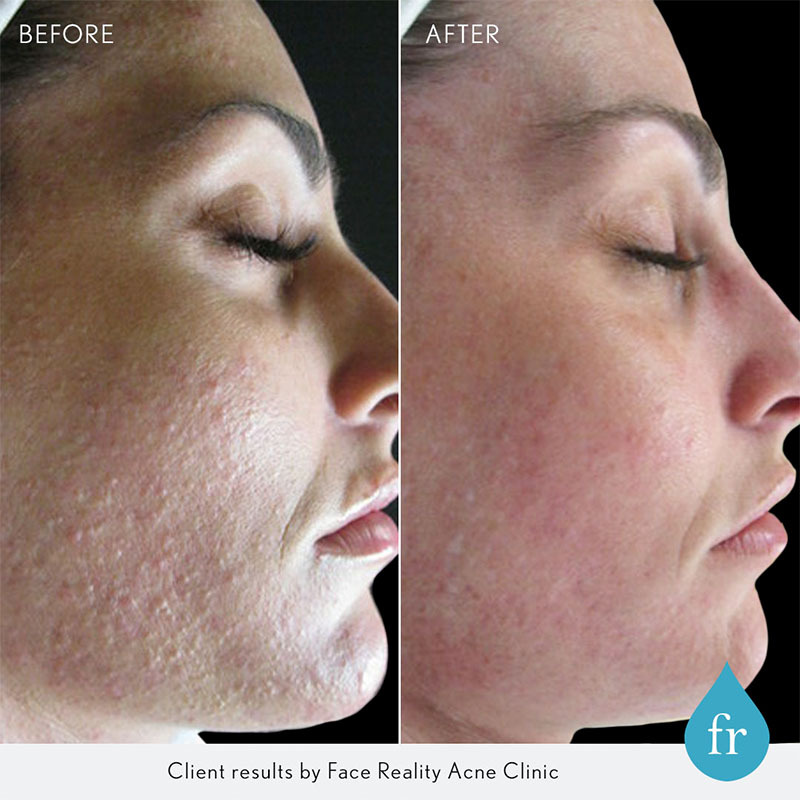
In addition to their effects on cell turnover, retinoids exhibit anti-inflammatory properties that may help reduce redness and swelling in active acne lesions. Over time, they can also support improvements in post-acne skin texture by encouraging more even skin renewal. This makes them a common long-term component in acne management strategies, especially for individuals dealing with persistent or recurring breakouts.
Retinoids are available in both over-the-counter and prescription forms, including ingredients such as retinol, adapalene, and tretinoin. The strength and formulation can influence how quickly results appear and how well the skin tolerates treatment. It is common for the skin to go through an adjustment period, sometimes referred to as retinization, where dryness, peeling, or mild irritation may occur as the skin adapts. Introducing retinoids gradually and pairing them with gentle skincare practices can help maintain skin barrier stability during this phase.
Although retinoids are widely recommended, they require consistent and careful use. Overuse or improper layering with other strong active ingredients can increase irritation and compromise the skin barrier, which may worsen acne in some cases. Sunscreen is also important during retinoid use, as these ingredients can increase sensitivity to ultraviolet exposure.
Overall, retinoids are considered a foundational treatment in acne care because they address the underlying causes of clogged pores and support long-term skin regulation. Their role in normalizing cell turnover and preventing comedone formation explains why they are frequently included in evidence-based dermatological approaches to acne management.
