Video 1
Video 2
Video 3


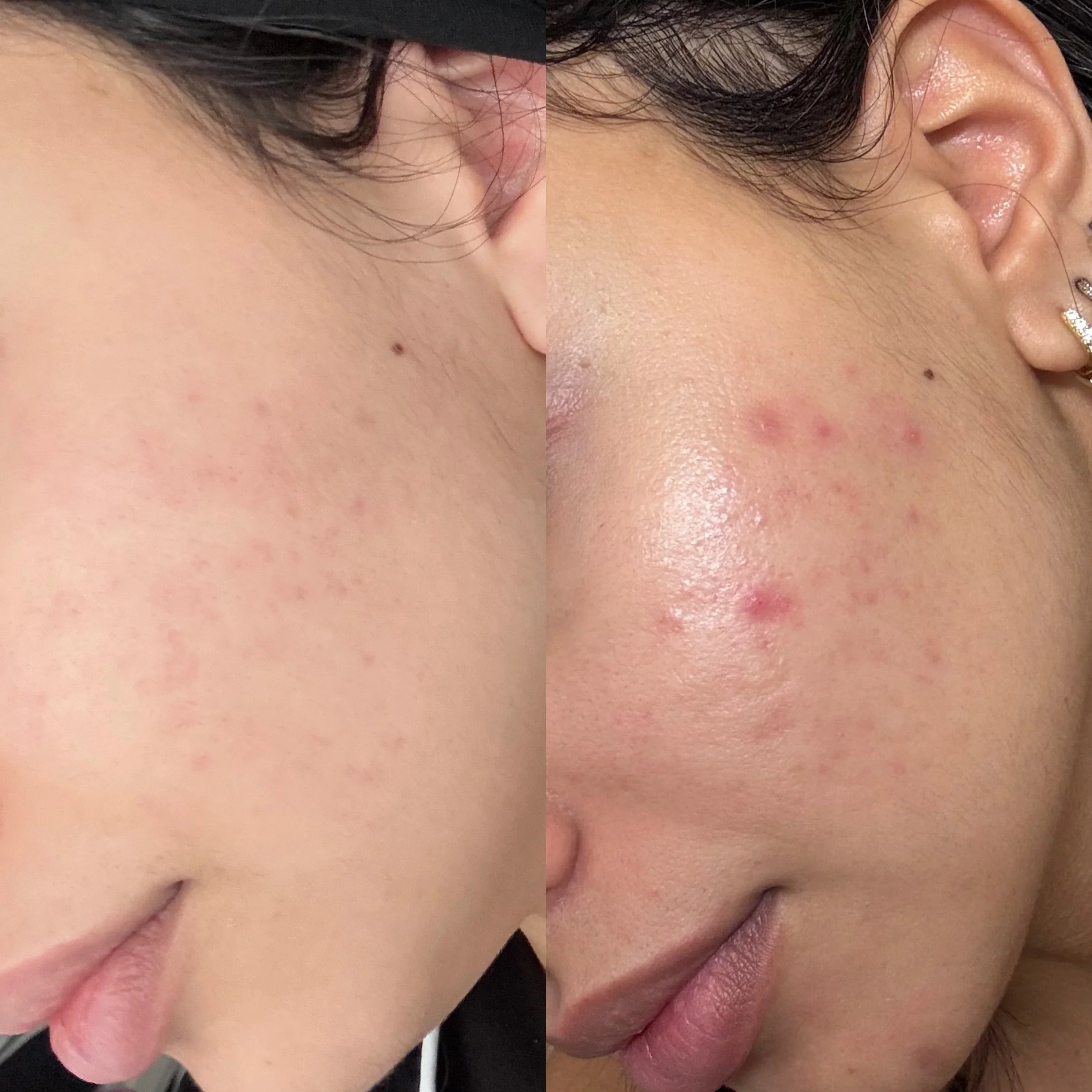

Niacinamide, also known as vitamin B3, supports acne-prone skin by influencing several underlying processes involved in breakouts, particularly inflammation, oil regulation, and skin barrier function. Unlike ingredients that primarily target a single pathway, niacinamide works more broadly to improve the overall stability of the skin environment. One of its key roles is enhancing the production of ceramides and other lipids in the skin barrier, which helps maintain hydration and reduce transepidermal water loss. A stronger barrier is less prone to irritation and may better tolerate active acne treatments, reducing the likelihood of reactive breakouts.
Inflammation is a central component of acne, especially in red and swollen lesions. Niacinamide has well-documented anti-inflammatory properties that may help calm visible redness and reduce the intensity of inflammatory responses within the pore. By moderating this response, it can contribute to a less reactive skin state over time, which is particularly beneficial for individuals experiencing frequent irritation from other acne treatments such as retinoids or benzoyl peroxide.
Niacinamide may also play a role in regulating sebum production. While it does not completely suppress oil production, it can help reduce excess sebum output in some individuals, leading to a less oily skin surface and a lower likelihood of pores becoming congested. This is especially relevant in acne-prone skin, where excess oil combines with dead skin cells to form comedones such as blackheads and whiteheads. By helping to balance oil levels, niacinamide supports a clearer pore environment.
Another important benefit of niacinamide is its ability to improve skin texture and the appearance of enlarged pores. As inflammation decreases and the skin barrier becomes more stable, pores may appear less prominent. Additionally, niacinamide can help address post-inflammatory hyperpigmentation, the dark marks that often remain after acne lesions heal, by influencing how pigment is transferred within the skin.
Niacinamide is commonly found in serums, moisturizers, and combination formulations, and it is generally well tolerated across a wide range of skin types. It can be used alongside other active ingredients, including salicylic acid, retinoids, and benzoyl peroxide, making it a versatile component of acne-focused routines. However, as with any skincare ingredient, introducing it gradually and monitoring skin response is recommended, particularly for individuals with sensitive skin.
While niacinamide is not typically considered a primary treatment for severe acne, its supportive role is significant. By strengthening the skin barrier, reducing inflammation, and helping to balance oil production, it contributes to a more controlled and resilient skin environment. This makes it a valuable addition to evidence-based skincare strategies aimed at managing acne and maintaining long-term skin health.
