Video 1
Video 2
Video 3
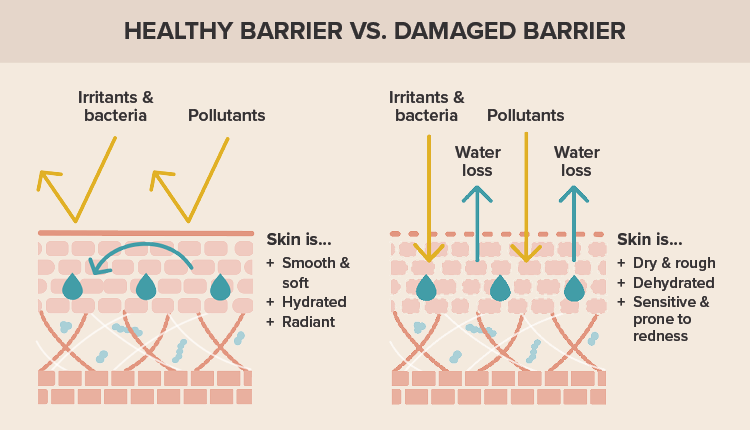
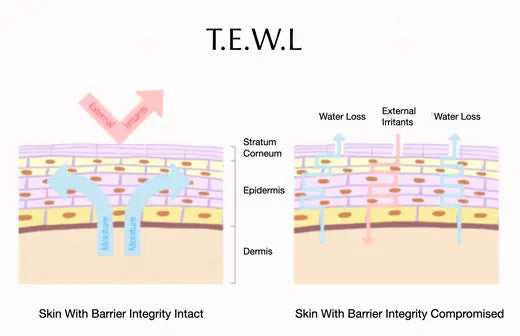

Over-exfoliation can trigger breakouts by disrupting the skin’s natural barrier and interfering with the processes that keep pores clear and balanced. The outer layer of the skin plays a critical role in maintaining hydration and protecting against external irritants. When exfoliation is excessive, whether through frequent use of acids, scrubs, or strong active ingredients, this barrier can become compromised. As a result, transepidermal water loss increases, leading to dryness and irritation, which may signal the skin to produce more sebum as a compensatory response. This excess oil can then combine with dead skin cells inside the pore, contributing to clogged pores and the formation of acne lesions.
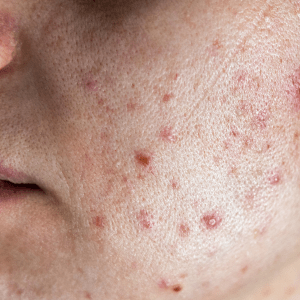
Acne is not caused solely by oil or dead skin buildup, but by a combination of factors including inflammation and follicular keratinization. When the skin barrier is weakened, it becomes more reactive to environmental stressors, skincare products, and even normal daily exposure. This heightened sensitivity can trigger inflammation within the pore, which plays a key role in transforming non-inflammatory comedones into red, inflamed breakouts. In this way, over-exfoliation can shift the skin from a relatively stable state into one that is more prone to irritation-driven acne.
The type and frequency of exfoliation also influence this process. Chemical exfoliants such as alpha hydroxy acids and beta hydroxy acids are designed to promote cell turnover and unclog pores, but when used too often or in high concentrations, they can accelerate shedding beyond what the skin can tolerate. Physical exfoliants, especially those with rough or irregular particles, can create micro-injuries in the skin, further weakening the barrier. Combining multiple exfoliating products or layering them with other strong actives, such as retinoids or benzoyl peroxide, increases the likelihood of cumulative irritation.
Individual factors such as skin type, climate, and existing skincare routines can affect how the skin responds to exfoliation. Oily and acne-prone skin is sometimes mistakenly treated with aggressive exfoliation in an attempt to control breakouts, but this approach often leads to the opposite effect. Genetic predisposition and hormonal influences may also contribute to how resilient the skin barrier is and how quickly it becomes disrupted.
To manage acne effectively, exfoliation is typically most beneficial when used in a controlled and balanced manner. Lower frequencies and appropriate concentrations can help support normal cell turnover without overwhelming the skin. Pairing exfoliation with barrier-supporting ingredients, such as moisturizers and soothing agents, may reduce the risk of irritation. Monitoring how the skin responds over time is important, as signs of over-exfoliation can include persistent redness, tightness, flaking, and increased breakouts.
Although exfoliation remains an important component of many acne treatment strategies, more is not necessarily better. Excessive use can undermine the skin’s ability to regulate itself, leading to a cycle of irritation and breakouts. A consistent, moderate approach that prioritizes barrier health is generally more effective for long-term acne management, and individuals with persistent concerns may benefit from guidance provided by a qualified skincare professional.`
