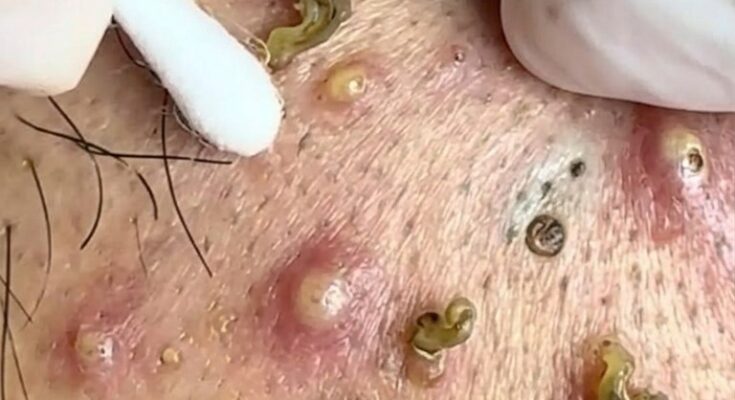
Stress may contribute to acne flare-ups because it can influence several biological processes involved in acne development, including hormone activity, inflammation, skin barrier function, and healing. Acne is a multifactorial condition that develops through a combination of excess sebum production, clogged pores, abnormal shedding of skin cells, bacterial activity, and inflammatory responses. While stress is not considered a direct cause of acne, it may worsen existing acne tendencies and contribute to more frequent or noticeable breakouts in some individuals. :contentReference[oaicite:0]{index=0}

When the body experiences stress, it releases various hormones and signaling molecules that help regulate the stress response. Among these are cortisol and other stress-related hormones that can influence the skin. Increased hormonal activity may affect sebaceous gland function, potentially contributing to greater sebum production. As oil production increases, excess sebum can combine with dead skin cells inside hair follicles, creating conditions that support clogged pores and the formation of blackheads and whiteheads.

Stress may also influence inflammatory processes throughout the body. Inflammation plays a central role in acne severity because it contributes to the redness, swelling, and discomfort associated with inflammatory acne lesions. Research suggests that stress can affect immune system activity and inflammatory pathways, potentially making existing acne lesions appear more pronounced. This may help explain why some individuals notice worsening breakouts during periods of emotional, academic, occupational, or personal stress.

The skin barrier can also be affected by chronic stress. A healthy skin barrier helps retain moisture, protect against environmental irritants, and support overall skin resilience. Prolonged stress may impair barrier function in some individuals, contributing to increased sensitivity, irritation, and dehydration. When the skin barrier becomes compromised, acne-prone skin may be less tolerant of active treatments and environmental stressors, potentially complicating acne management.

Stress can indirectly affect acne through changes in daily habits as well. During stressful periods, people may sleep less, alter their eating patterns, neglect skincare routines, or engage in behaviors such as touching or picking at acne lesions more frequently. These habits may contribute to worsening skin conditions and increase the risk of post-inflammatory hyperpigmentation or scarring. Although these behavioral factors do not directly cause acne, they can influence its appearance and progression.

The relationship between stress and acne varies among individuals. Some people experience noticeable flare-ups during stressful periods, while others observe little change. Genetics, hormone sensitivity, inflammatory tendencies, and overall skin health may influence how strongly stress affects acne severity. This variation highlights the complexity of acne biology and the importance of considering multiple contributing factors rather than focusing on a single cause.

Managing stress-related acne often involves addressing both acne biology and overall skin health. Evidence-based skincare ingredients such as retinoids, salicylic acid, and benzoyl peroxide are commonly used to target clogged pores, inflammation, and acne-related bacteria. Niacinamide may help support the skin barrier while reducing visible redness and improving tolerance to treatment. Consistent skincare practices are often important because acne treatments typically require ongoing use to produce noticeable improvement.

Supporting general well-being may also complement acne management. Adequate sleep, regular physical activity, stress-management strategies, and consistent skincare habits may help support overall skin health. While these approaches are not substitutes for medical treatment, they can contribute to a more balanced environment that supports long-term acne control.

Because stress is only one of many factors involved in acne development, improvements are often gradual rather than immediate. Effective acne management typically requires patience, realistic expectations, and a comprehensive approach that addresses both biological and lifestyle influences. Individuals experiencing persistent, severe, or scarring acne should consider consulting a qualified dermatologist for personalized evaluation and treatment recommendations. :contentReference[oaicite:1]{index=1}