The human body is a marvel of nature, a complex system of interrelated parts that work together in perfect harmony.
Among these systems, the integumentary system stands out as a protective shield, encasing our bodies and playing a vital role in our overall health and well-being.
Studying this remarkable system can deepen our understanding of ourselves and encourage us to care for our skin, hair, and nails in a more meaningful way.
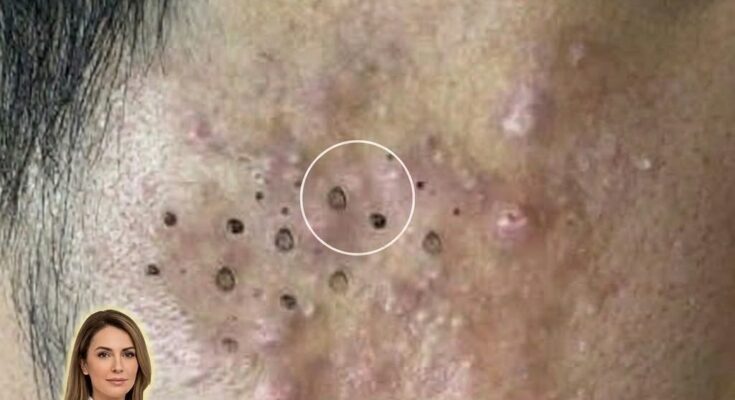
Acne develops within the pilosebaceous unit, a structure that includes the hair follicle, sebaceous gland, and pore opening on the skin surface. The process often begins with increased sebum production and abnormal shedding of skin cells inside the follicle. When these cells accumulate instead of shedding normally, they can mix with oil and form a plug that blocks the pore. This blockage creates comedones such as blackheads and whiteheads. As pressure builds within the clogged pore, bacteria that naturally live on the skin may multiply and trigger inflammation. When this inflammatory process continues for extended periods, it can damage surrounding skin tissue and increase the likelihood of long-term marks or structural changes in the skin.
Early acne treatment may help reduce this cascade before deeper inflammation develops. When clogged pores are addressed at the stage of comedones or mild breakouts, it may limit the buildup of sebum and keratinized skin cells that contribute to larger, inflamed lesions. Preventing repeated cycles of blockage and inflammation may reduce stress on the follicle wall, which is important because rupture of the follicle is one of the biological events associated with acne scarring. By reducing the number and severity of active lesions, early management may help limit the inflammatory signals that can lead to tissue breakdown and prolonged redness.
Several factors can influence how quickly acne progresses and how much damage occurs in the skin. Hormonal activity, particularly androgens, can increase sebaceous gland activity and contribute to oily skin that is more prone to clogged pores. Genetics may also influence sebum production, pore size, and inflammatory responses. Skincare habits can play a role as well. Heavy occlusive products, inadequate cleansing, or frequent touching of the face may contribute to pore congestion, while harsh cleansing or over-exfoliation can disrupt the skin barrier and increase irritation. Environmental factors such as humidity, sweat, and friction from clothing or masks may further affect the follicular environment and contribute to persistent breakouts.
Evidence-informed skincare approaches often focus on addressing the early stages of pore blockage. Topical retinoids are commonly recommended because they help normalize the shedding of skin cells inside the follicle, which may reduce the formation of comedones over time. Salicylic acid is another widely used ingredient that penetrates into pores and helps dissolve excess oil and debris that contribute to blackheads and whiteheads. Benzoyl peroxide may help reduce acne-related bacteria and inflammation, making it useful for inflamed lesions. Niacinamide is frequently included in skincare formulations because it may support the skin barrier and help calm visible redness associated with acne.
When acne becomes persistent, widespread, or prone to leaving marks, dermatology-guided treatment may be beneficial. Dermatologists may recommend prescription retinoids, topical or oral medications that address inflammation and bacterial growth, or other targeted therapies depending on the severity and pattern of acne. Early professional evaluation can sometimes reduce the duration of uncontrolled inflammation, which may lower the likelihood of post-inflammatory hyperpigmentation or textural changes in the skin.
Although early treatment may help reduce the risk of long-term skin damage, results often develop gradually because acne is influenced by multiple biological factors. Consistent skincare routines, gentle cleansing practices, and appropriate use of evidence-based ingredients can support healthier pore function over time. Individuals experiencing severe, painful, or persistent acne may benefit from consulting a qualified healthcare professional who can recommend treatment strategies tailored to their skin type and medical history. Educational acne resources often emphasize early management because controlling inflammation and pore blockage sooner may help protect the skin from the cumulative effects of repeated breakouts.
