Video 1
Video 2
Video 3
Humidity and climate influence acne through their effects on sebum production, sweat activity, and the behavior of skin cells within the pore. The skin continuously adapts to its environment, and shifts in temperature and moisture levels can alter how oil is produced and how efficiently dead skin cells are shed. In humid conditions, increased moisture in the air can lead to higher sweat production, which mixes with sebum on the skin’s surface. This combination can create a film that makes it easier for debris and dead skin cells to accumulate inside pores, contributing to clogged pores and the formation of comedones such as blackheads and whiteheads.

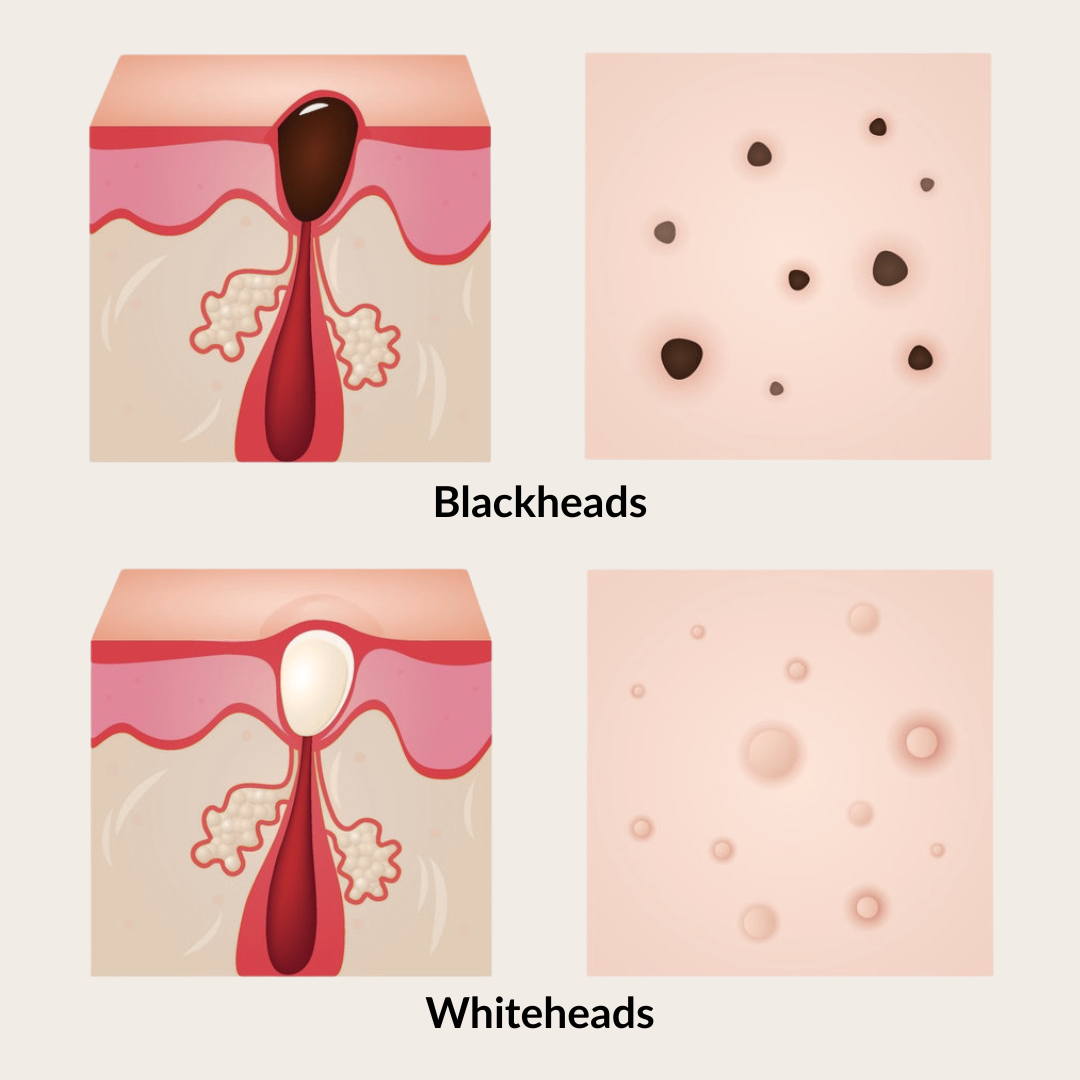

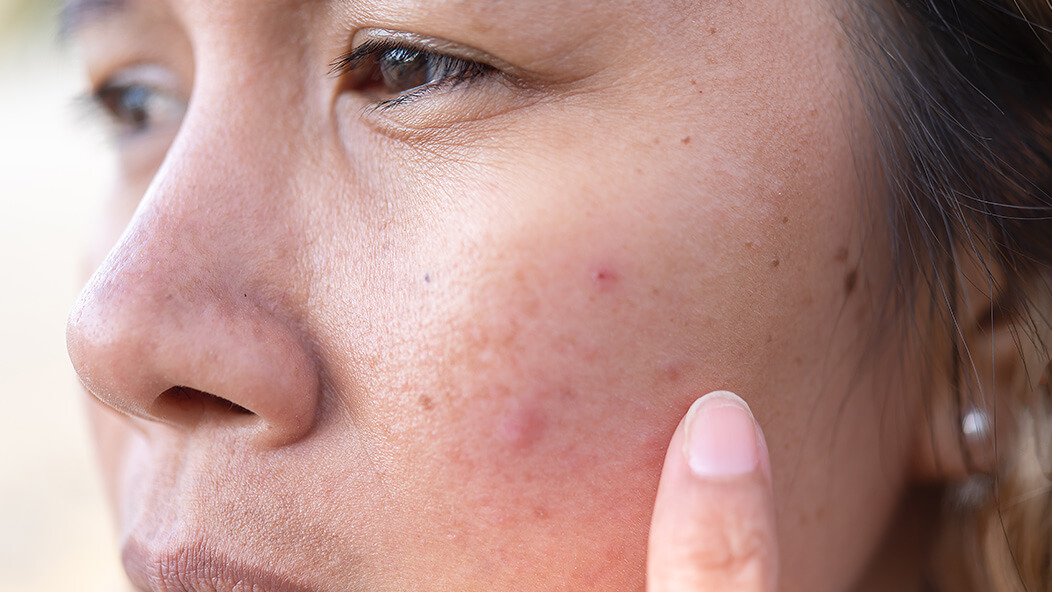
High humidity is often associated with increased oiliness, particularly in individuals who are already prone to oily skin. Sebaceous glands may become more active in warm environments, producing more sebum that can accumulate within the follicle. At the same time, sweat can trap bacteria and impurities against the skin, creating conditions that may support the growth of acne-associated bacteria. This environment can increase the likelihood of inflammatory acne, especially when combined with friction from clothing or prolonged exposure to heat.
In contrast, dry or cold climates can affect the skin in a different way. Low humidity levels may reduce surface moisture and compromise the skin barrier, leading to dryness and irritation. When the skin becomes dehydrated, it may respond by producing more oil in an attempt to compensate. This imbalance between dryness and excess sebum can still contribute to clogged pores, even though the skin may feel tight or flaky. Additionally, impaired barrier function can make the skin more sensitive to topical products, increasing the risk of irritation that may worsen acne.
Seasonal and environmental changes can also influence how skin cells behave داخل the pore. In both humid and dry conditions, disruptions in normal desquamation can occur, leading to a buildup of keratin within the follicle. This process, known as follicular keratinization, is a key factor in the formation of comedonal acne. Climate-related stress on the skin may also increase inflammation, making existing acne lesions appear more pronounced and slower to heal.
Adapting skincare routines to different climates can help manage these effects. In humid environments, lightweight, non-comedogenic products are often preferred to avoid adding excess occlusion to already oily skin. Gel-based cleansers and formulations containing salicylic acid may help keep pores clear by removing excess oil and exfoliating داخل the follicle. Ingredients such as niacinamide can help regulate sebum production and reduce inflammation. In drier climates, maintaining hydration becomes more important, and using gentle cleansers along with barrier-supporting moisturizers can help prevent irritation while still managing acne.
Consistent use of sunscreen is important across all climates, as ultraviolet exposure can contribute to inflammation and post-acne marks. For individuals experiencing persistent or severe acne that fluctuates with climate changes, dermatological treatments may be considered to stabilize the skin over time. While humidity and climate can significantly influence acne, they interact with other factors such as hormones, genetics, and skincare habits, making a balanced and adaptable approach essential for long-term skin health.
