Video 1
Video 2
Video 3


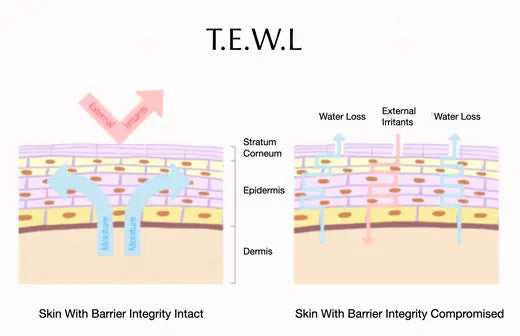
Hydration plays a significant role in regulating oil production by influencing the skin’s barrier function and overall balance. The outermost layer of the skin is responsible for retaining moisture and protecting against environmental stressors. When this barrier is adequately hydrated, it helps maintain stable conditions within the skin, allowing oil production to remain more regulated. In contrast, when the skin becomes dehydrated, meaning it lacks sufficient water rather than oil, the barrier can become impaired, leading to increased transepidermal water loss and a disruption in normal skin function.
In response to dehydration, the skin may attempt to compensate by producing more sebum. This is not a direct replacement for water, but rather a protective reaction aimed at reducing further moisture loss. The increased oil can mix with dead skin cells inside the pore, contributing to clogged pores and the formation of comedones such as blackheads and whiteheads. This process can make dehydrated skin appear oily while still lacking proper hydration internally, a condition often described as dehydrated but oil-prone skin.
Several factors can contribute to this imbalance. Harsh cleansers, over-exfoliation, and excessive use of strong acne treatments can strip the skin of essential moisture, weakening the barrier over time. Environmental conditions such as low humidity, heat, or frequent air conditioning can also accelerate water loss from the skin. Additionally, inconsistent skincare routines or skipping moisturizers due to fear of worsening oiliness may further contribute to dehydration.
Maintaining proper hydration involves supporting the skin barrier with ingredients that attract and retain water, such as humectants, and those that help reinforce the lipid structure of the barrier. Well-formulated moisturizers can help reduce water loss and create a more stable environment in which the skin does not need to overcompensate with excess oil production. This is particularly important in acne-prone skin, where both excess sebum and impaired shedding of dead skin cells contribute to pore congestion.
Hydration also influences how well the skin tolerates active acne treatments. Ingredients like retinoids, salicylic acid, and benzoyl peroxide can be effective but may cause dryness or irritation if the skin barrier is not adequately supported. Proper hydration can help reduce this irritation, allowing for more consistent use of these treatments without triggering additional breakouts caused by barrier disruption.
Although improving hydration may help balance oil production, it is not an immediate or standalone solution for acne. Results are typically gradual and depend on consistent skincare habits and appropriate product selection. Individuals with persistent or severe acne may require additional treatments under the guidance of a qualified dermatology professional.
Understanding the relationship between hydration and oil production highlights the importance of maintaining skin balance rather than attempting to eliminate oil entirely. Supporting hydration helps create conditions where the skin can function more normally, reducing the likelihood of excess oil, clogged pores, and subsequent breakouts over time.
