Long-term skin clarity is influenced by a combination of biological processes and daily habits that affect how the skin produces oil, sheds cells, and responds to inflammation. The skin is constantly renewing itself through a cycle of cell turnover, while sebaceous glands regulate sebum production to maintain hydration and protection. When lifestyle habits disrupt these processes, it can lead to an accumulation of dead skin cells and excess oil داخل the follicle, increasing the likelihood of clogged pores and the formation of acne lesions such as blackheads and whiteheads. Over time, repeated disruption can also affect the skin barrier, making it more reactive and prone to persistent breakouts.
Sleep patterns are one of the most important lifestyle factors in maintaining clear skin. During adequate sleep, the body supports repair mechanisms that help regulate inflammation and restore barrier function. Irregular or insufficient sleep may elevate stress hormones such as cortisol, which can stimulate oil production and contribute to acne development. At the same time, poor sleep may slow the healing of existing blemishes, leading to longer-lasting marks and uneven skin texture. Consistent sleep habits help maintain hormonal balance and support the skin’s ability to recover from daily stressors.
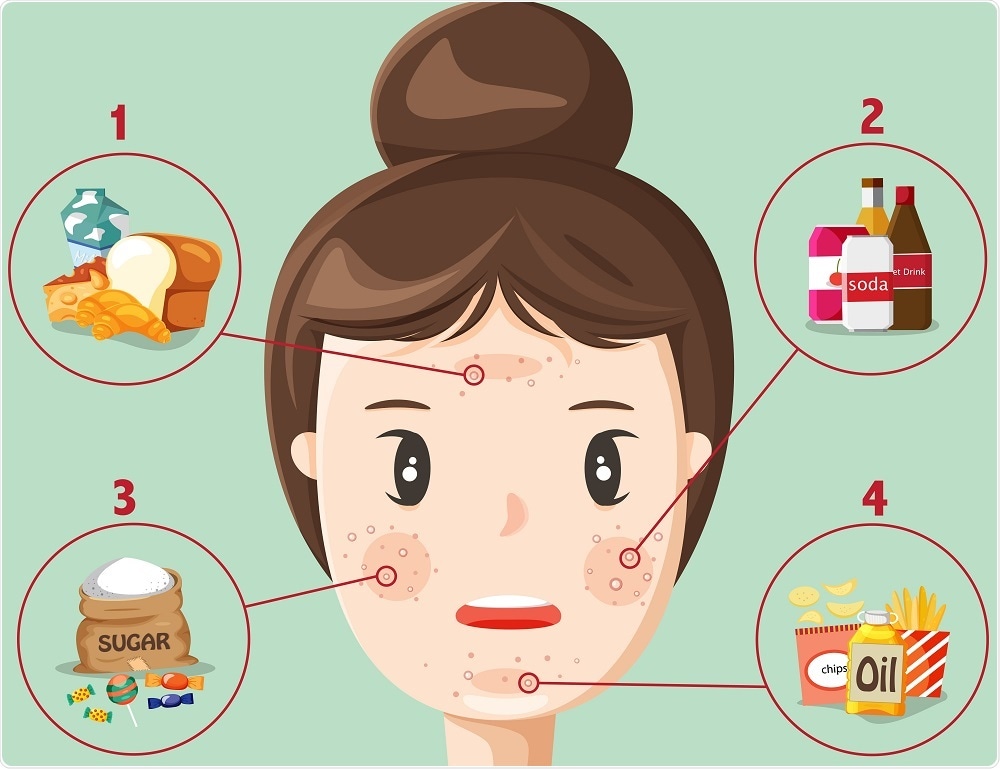
Dietary habits can also influence long-term skin clarity, particularly through their effects on hormones and inflammation. Diets high in refined carbohydrates and high glycemic foods may lead to fluctuations in insulin levels, which can stimulate sebaceous gland activity and increase sebum production. In some individuals, dairy consumption has been associated with acne, potentially due to its influence on hormonal signaling pathways. While diet alone is rarely the sole cause of acne, consistent patterns over time may contribute to the severity and persistence of breakouts in susceptible individuals.



Stress management is another key factor in maintaining skin clarity. Chronic stress can influence hormonal pathways that increase oil production and inflammation, both of which are central to acne formation. In addition, stress may lead to behavioral patterns such as touching the face, picking at blemishes, or neglecting skincare routines, which can further contribute to clogged pores and irritation. Over time, these combined effects may make acne more difficult to control and prolong the healing process.
Daily skincare habits directly impact how the skin responds to these internal and external influences. Consistent cleansing helps remove excess oil, sweat, and environmental debris that can accumulate on the skin and داخل pores. Using appropriate skincare ingredients, such as salicylic acid to help clear pores, retinoids to regulate cell turnover, and niacinamide to reduce inflammation, may support clearer skin when used correctly. However, overly aggressive routines can damage the skin barrier, leading to increased sensitivity and potentially worsening acne. Maintaining a balanced approach that supports both clarity and barrier health is essential.
Environmental and hygiene-related habits also play a role. Regularly changing pillowcases, cleaning items that come into contact with the face, and minimizing unnecessary touching can reduce exposure to bacteria and irritants. Physical activity, while beneficial for overall health, may require proper post-exercise cleansing to prevent sweat and debris from contributing to pore congestion. Hydration is another supportive factor, as adequate water intake helps maintain overall skin function, although it does not directly treat acne.
Long-term skin clarity is best understood as the result of consistent, sustainable habits rather than quick fixes. Because acne is influenced by multiple factors—including genetics, hormones, and environment—lifestyle adjustments may improve skin over time but are unlikely to produce immediate or complete resolution on their own. A steady routine that includes proper skincare, balanced nutrition, stress management, and adequate sleep can help create conditions that support healthier skin. For individuals with persistent or severe acne, professional evaluation may provide additional treatment options tailored to their specific needs.
