Video 1
Video 2
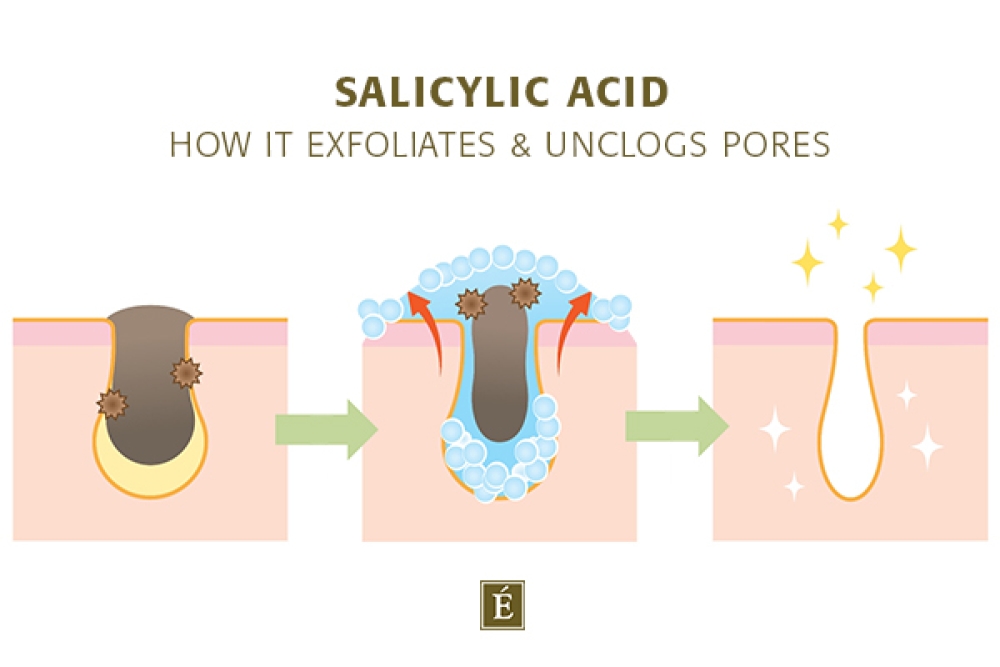
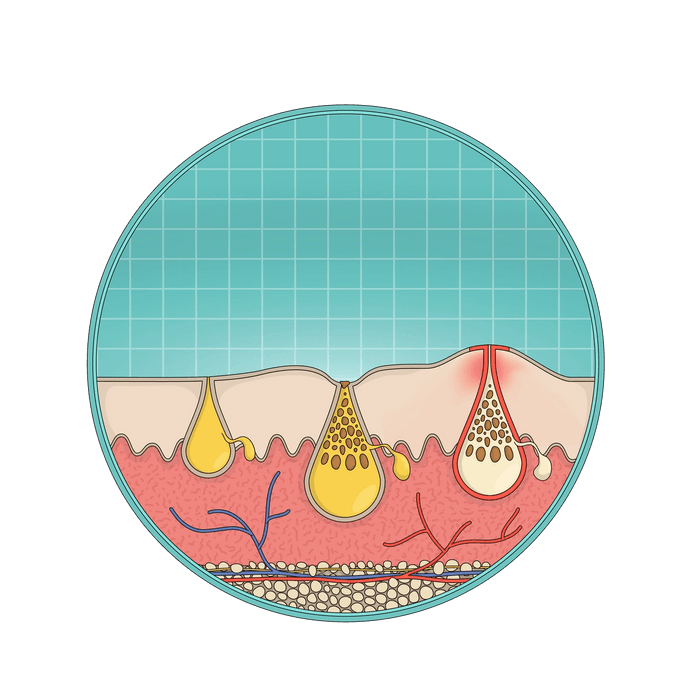

Salicylic acid works within the pore by targeting one of the primary mechanisms involved in acne development: the buildup of excess sebum and dead skin cells inside the follicle. As a beta hydroxy acid (BHA), it is oil-soluble, which allows it to penetrate through the lipid-rich environment of the pore rather than remaining on the skin surface. Once inside, it interacts with the mixture of sebum and keratinized cells that contribute to clogged pores, helping to loosen and break apart this material. This process supports the gradual clearing of comedones, including blackheads and whiteheads, by reducing the cohesion between dead skin cells and promoting more normal shedding within the follicle.
The effectiveness of salicylic acid is closely tied to the biology of acne-prone skin. Increased sebum production, often influenced by hormonal activity, creates an environment where dead skin cells can accumulate and stick together more easily. This leads to follicular keratinization, a process where shedding becomes irregular and contributes to blockage formation. Environmental factors such as humidity, occlusive skincare products, and inadequate cleansing habits may further worsen this buildup. Genetic predisposition can also influence how easily pores become clogged and how reactive the skin is to these changes.
Beyond its ability to dissolve debris, salicylic acid also exhibits mild anti-inflammatory properties, which may help reduce redness and irritation associated with acne lesions. By calming inflammation inside the pore, it can contribute to a less reactive skin environment over time. Additionally, its keratolytic action encourages more consistent cell turnover, helping to prevent the formation of new blockages rather than only addressing existing ones.
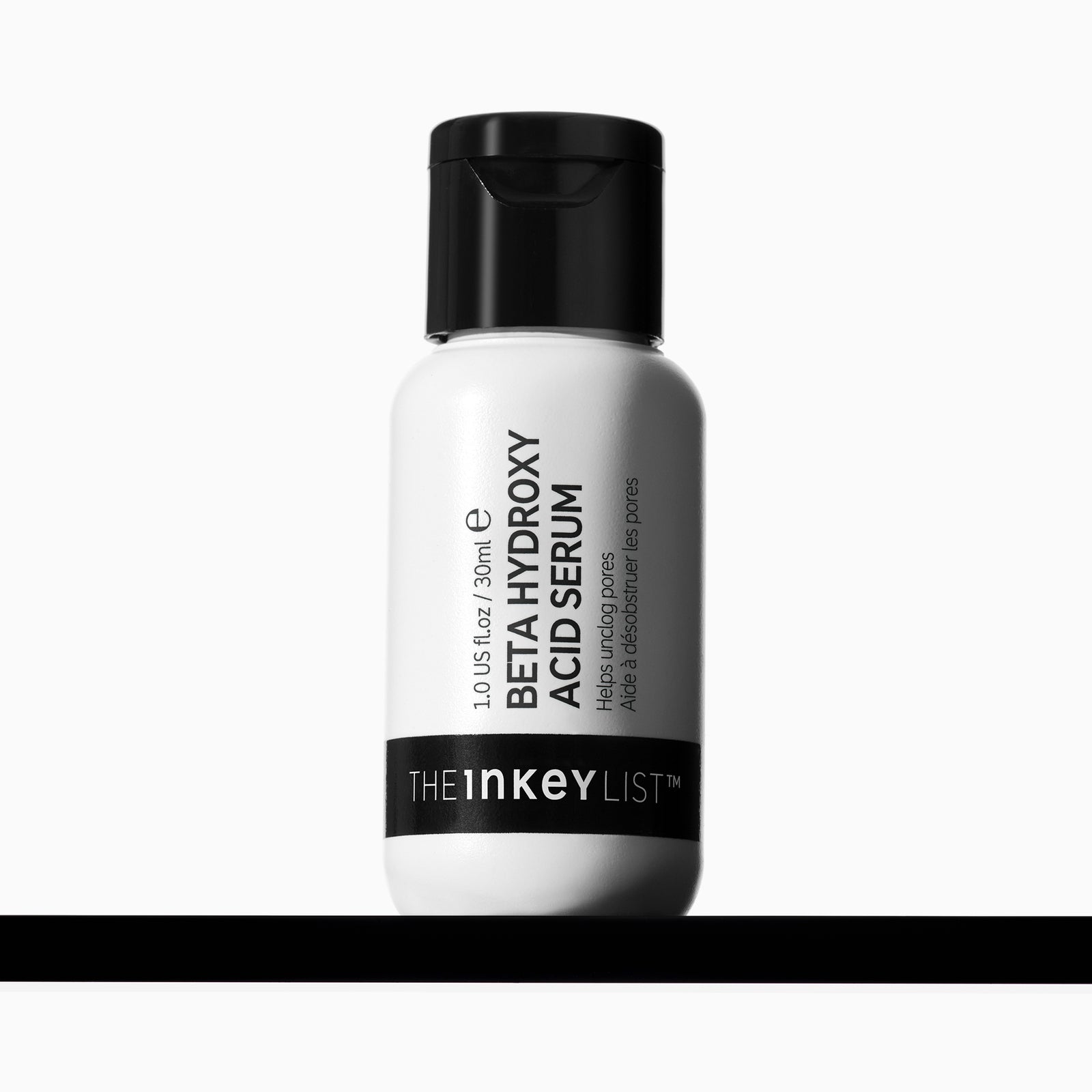
In practical skincare use, salicylic acid is commonly found in cleansers, toners, and leave-on treatments. Lower concentrations are typically used for daily maintenance, while higher concentrations may be recommended in targeted treatments or professional procedures such as chemical peels. It is often combined with other ingredients like niacinamide to support the skin barrier or with retinoids to enhance cell turnover, although these combinations should be introduced carefully to minimize irritation.
Despite its benefits, results are usually gradual rather than immediate. Overuse or combining too many active ingredients can disrupt the skin barrier, potentially leading to dryness, sensitivity, and even increased breakouts. For this reason, consistent but moderate use is generally more effective than aggressive treatment. Individuals with persistent or severe acne may benefit from consulting a qualified dermatology professional to determine whether additional therapies, such as prescription retinoids or benzoyl peroxide, are appropriate.
Understanding how salicylic acid functions inside the pore helps clarify why it remains a widely recommended ingredient for managing clogged pores and comedonal acne. Its ability to penetrate oil, support exfoliation within the follicle, and reduce inflammation makes it a valuable component of evidence-based skincare, particularly when used as part of a balanced and barrier-conscious routine.
