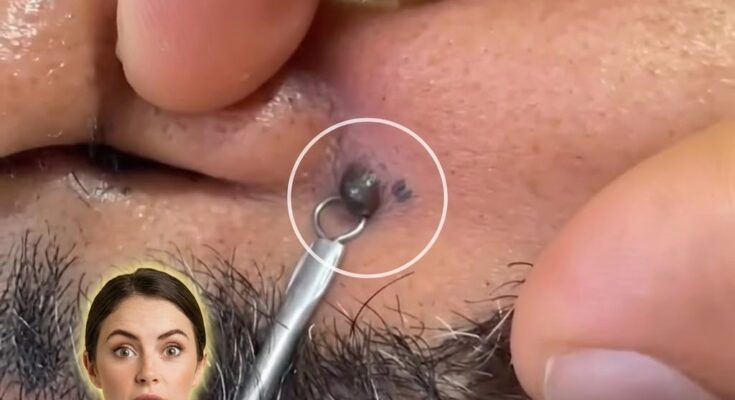
Skin barrier recovery plays a central role in acne management because the integrity of the skin’s outermost layer directly influences inflammation, oil regulation, and the behavior of acne-causing bacteria. The skin barrier, primarily composed of lipids such as ceramides, cholesterol, and fatty acids, functions to retain moisture while protecting against external irritants. When this barrier becomes compromised, transepidermal water loss increases, leading to dryness and irritation. In response, the skin may produce excess sebum to compensate, which can mix with dead skin cells and contribute to clogged pores, comedones, and inflammatory acne lesions.
Barrier disruption can occur due to multiple factors, including overuse of harsh cleansers, aggressive exfoliation, environmental stressors, and inappropriate use of active ingredients like strong retinoids or high concentrations of acids. Individuals with acne-prone skin often attempt to reduce oiliness through frequent cleansing or drying treatments, but this approach may unintentionally worsen barrier damage. Hormonal fluctuations can further influence sebum production, while genetic predisposition may affect how resilient the barrier is to external stress. Inflammatory processes within acne also weaken the barrier over time, creating a cycle where irritation and breakouts reinforce each other.
Supporting skin barrier recovery involves restoring hydration and replenishing essential lipids, which can help stabilize oil production and reduce irritation. Ingredients such as ceramides, glycerin, and hyaluronic acid are commonly used to improve moisture retention and reinforce barrier structure. Niacinamide may help regulate sebum production while also calming inflammation, making it a useful addition for acne-prone skin. Gentle cleansers that maintain the skin’s natural pH are often recommended to avoid further disruption, while limiting the frequency and intensity of exfoliation can allow the barrier to repair more effectively.
At the same time, acne-targeting treatments can be incorporated in a balanced way. Salicylic acid may help unclog pores by dissolving excess oil and debris, while benzoyl peroxide is often used to reduce acne-causing bacteria. Retinoids can support normalized skin cell turnover, reducing follicular keratinization that contributes to comedones. However, these treatments should be introduced gradually and paired with barrier-supportive skincare to minimize irritation. In more persistent or severe cases, dermatologists may recommend prescription therapies or combination treatments that address both acne mechanisms and barrier health.
Recovery of the skin barrier is not immediate, and visible improvements in acne may take several weeks as the skin gradually restores its balance. Overly aggressive treatment can delay this process, so a consistent and moderate approach is generally more effective. Individuals experiencing ongoing or severe acne should consider consulting a qualified dermatologist to ensure that both acne management and barrier repair are addressed safely and appropriately. By prioritizing barrier health alongside targeted treatments, it becomes possible to reduce inflammation, support clearer pores, and improve overall skin resilience over time.