Video 1
Video 2
Video 3
The healing of skin after acne lesions is a complex biological process involving inflammation resolution, tissue repair, and restoration of the skin barrier. When an acne lesion forms, the follicle becomes clogged with sebum and dead skin cells, often accompanied by bacterial proliferation. As the immune system responds, inflammatory mediators are released to control the infection. Once the trigger begins to resolve, the skin transitions into a repair phase, where damaged cells are cleared and new tissue begins to form.
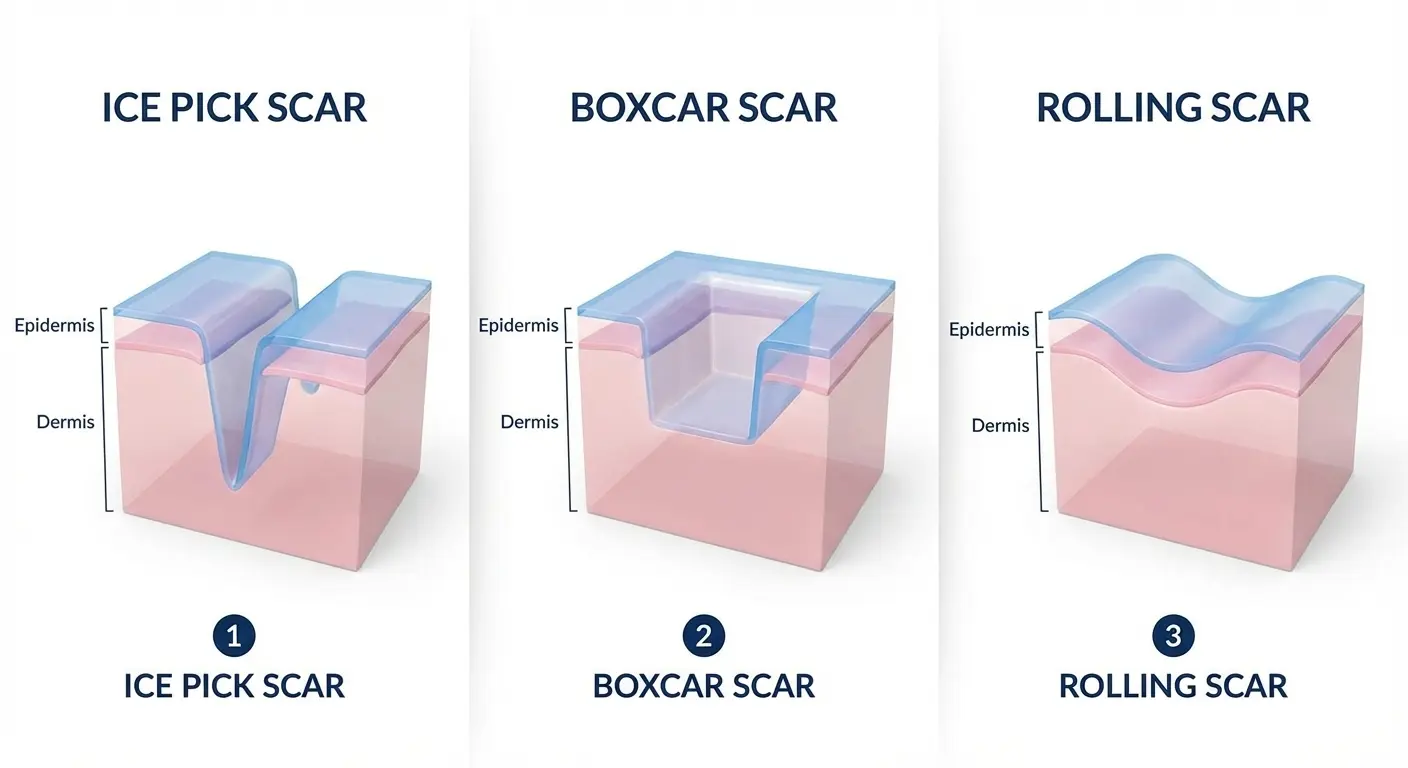


The initial stage of healing focuses on reducing inflammation and removing cellular debris. Immune cells such as macrophages help break down damaged tissue and eliminate residual bacteria داخل the pore. During this phase, redness and swelling gradually subside, although the skin may remain sensitive. This stage is critical because prolonged inflammation can increase the risk of complications such as post-inflammatory hyperpigmentation or scarring.
As inflammation decreases, the skin enters the proliferative phase, where new cells are generated to replace those that were damaged. Keratinocytes begin to restore the epidermal layer, while fibroblasts in the dermis produce collagen and other structural proteins. This rebuilding process helps repair the integrity of the skin, although it may not perfectly replicate the original structure. The efficiency of this phase can vary depending on factors such as the severity of the acne lesion, overall skin health, and genetic influences.
The final stage involves remodeling, during which collagen is reorganized and the skin gradually strengthens. Blood vessels that formed during the repair process may remain visible for some time, contributing to lingering redness known as post-inflammatory erythema. Over time, these vessels typically regress, and the skin tone becomes more even. However, if collagen production was insufficient or excessive during earlier stages, the result may be atrophic or raised scars.
Several external and internal factors influence how effectively the skin heals after acne. Gentle skincare practices can support recovery by minimizing additional irritation. Overuse of strong active ingredients during the healing phase may disrupt the barrier and delay repair. Hydration and barrier-supporting ingredients such as ceramides and humectants can help maintain an environment conducive to healing. In contrast, picking or squeezing lesions can interfere with the natural repair process, often leading to deeper inflammation and an increased likelihood of scarring.
Treatment strategies during the healing phase often focus on both preventing new lesions and supporting recovery. Ingredients like niacinamide may help reduce residual inflammation and improve barrier function, while retinoids are sometimes used to promote controlled cell turnover and enhance long-term skin renewal. Sunscreen is particularly important, as ultraviolet exposure can worsen discoloration and slow the normalization of skin tone after inflammation.
Healing after acne is not immediate and may take weeks to months depending on the depth of the lesion and the skin’s response. While the surface may appear recovered relatively quickly, deeper structural repair continues over time. A consistent, balanced approach that avoids excessive irritation while supporting the skin’s natural regenerative processes is generally associated with better outcomes and a reduced risk of long-term marks or scarring
