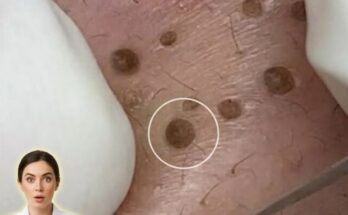
High glycemic foods influence acne development through their effect on blood sugar, insulin levels, and downstream hormonal signaling that can directly impact the skin’s oil production and inflammation pathways. When foods with a high glycemic index are consumed, they are rapidly digested and absorbed, causing a sharp rise in blood glucose. This spike triggers an increase in insulin, which in turn stimulates insulin-like growth factor 1 (IGF-1). Elevated IGF-1 levels are associated with increased sebum production and enhanced follicular keratinization, both of which contribute to clogged pores and the formation of comedones such as blackheads and whiteheads. Excess sebum combined with abnormal shedding of skin cells creates an environment where acne-causing bacteria can thrive, promoting inflammation and visible breakouts.
Dietary patterns rich in refined carbohydrates, sugary beverages, and processed snacks may therefore contribute to more frequent or persistent acne in some individuals. This effect can be more pronounced in people who are already prone to oily skin or hormonal fluctuations, as their sebaceous glands may be more responsive to insulin and IGF-1 signaling. Hormones such as androgens can further amplify this process by increasing oil production, making the skin more susceptible to pore congestion. At the same time, chronic high glycemic intake may influence systemic inflammation, which can worsen inflammatory acne lesions and slow the skin’s healing response.
Other contributing factors can modify how strongly high glycemic foods affect the skin. Genetics may determine how sensitive an individual is to insulin spikes, while lifestyle elements such as stress and sleep patterns can also influence hormonal balance. Skincare habits play a role as well, since inadequate cleansing, overuse of heavy or occlusive products, or disruption of the skin barrier can compound the effects of excess sebum and clogged pores. Environmental factors such as humidity and pollution may further contribute to congestion by increasing oiliness or introducing particulate matter that can accumulate in pores.
Managing acne in the context of diet typically involves a combination of nutritional awareness and evidence-based skincare. Choosing lower glycemic foods such as whole grains, legumes, and fiber-rich vegetables may help stabilize blood sugar levels and reduce hormonal fluctuations associated with breakouts. While dietary changes alone are not a guaranteed solution, they can complement topical treatments that target the core mechanisms of acne. Ingredients such as salicylic acid are commonly used to penetrate and exfoliate inside the pore, helping to reduce buildup and prevent comedones. Retinoids are often recommended to normalize skin cell turnover and reduce follicular keratinization, while benzoyl peroxide can help decrease acne-causing bacteria and inflammation. Niacinamide may support oil regulation and improve the skin barrier, which is important for maintaining overall skin balance.
For individuals with more persistent or severe acne, professional dermatological treatments may be considered. These can include prescription retinoids, hormonal therapies, or in-office procedures designed to reduce oil production and inflammation. It is important to approach both dietary and skincare interventions with realistic expectations, as acne is a multifactorial condition influenced by internal and external factors. Changes in diet may take time to reflect on the skin, and responses can vary significantly between individuals.
Overall, while high glycemic foods can contribute to the biological processes that lead to acne, they represent only one piece of a complex puzzle. A balanced approach that includes consistent skincare, mindful dietary choices, and professional guidance when needed is often the most effective strategy for managing breakouts and supporting long-term skin health.