Acne is commonly categorized as mild, moderate, or severe based on the type of lesions present, their number, and the extent of inflammation. These categories reflect how the underlying processes of sebum production, follicular keratinization, clogged pores, and immune response are expressed on the skin. While all acne begins with the formation of microcomedones inside the hair follicle, the progression and intensity of these lesions determine how acne is classified and managed.
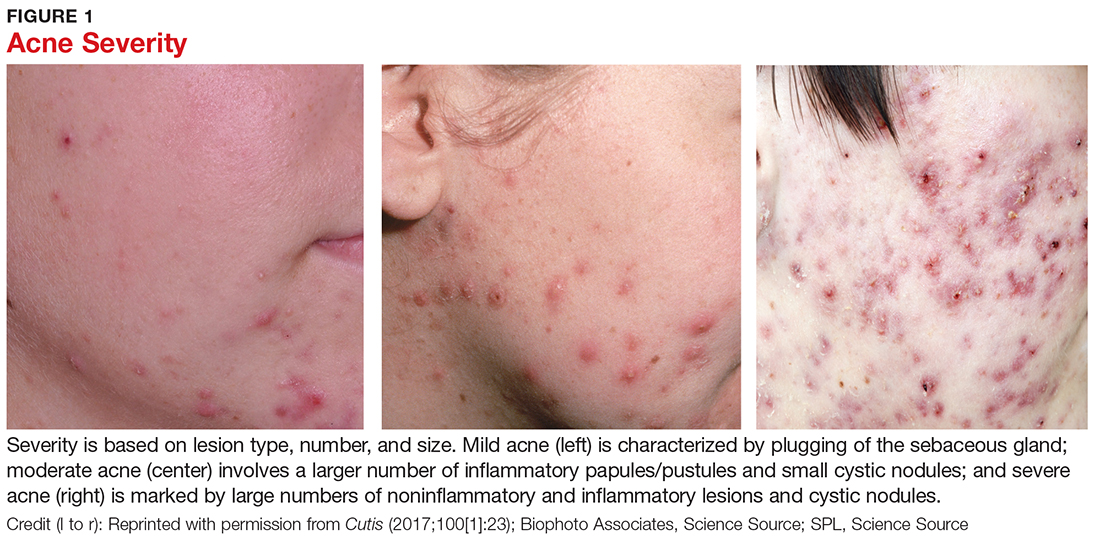


Mild acne is typically characterized by non-inflammatory lesions such as blackheads and whiteheads, with only occasional small inflamed pimples. At this stage, clogged pores are the primary issue, and inflammation is limited. Sebum and dead skin cells accumulate داخل the follicle, forming comedones without triggering a strong immune response. The skin may appear slightly uneven or textured, but redness and swelling are minimal. Mild acne is often manageable with consistent use of over-the-counter skincare ingredients that help keep pores clear and support normal skin cell turnover.
Moderate acne involves a higher number of lesions and a greater degree of inflammation. In addition to blackheads and whiteheads, there are more frequent papules and pustules, which are red, swollen lesions that may contain visible pus. At this stage, the clogged pore environment has often progressed to support bacterial activity and immune system activation, leading to inflammation. Breakouts may cover a larger area of the face or body and can be more persistent. Treatment often requires a combination of topical therapies, including ingredients that target both pore congestion and inflammation.
Severe acne is marked by extensive inflammation and deeper lesions such as nodules and cysts. These lesions form when the follicle wall becomes significantly damaged or ruptures, allowing its contents to spread into surrounding tissue and trigger a strong immune response. Severe acne may involve widespread areas of the face, chest, or back and is more likely to result in long-term skin changes such as scarring or post-inflammatory hyperpigmentation. At this level, professional dermatological treatment is typically recommended, as over-the-counter approaches alone may not be sufficient.
Several factors influence where an individual falls within this spectrum. Hormonal activity, particularly increased androgen levels, can drive higher sebum production and contribute to more severe forms of acne. Genetics may affect how the skin responds to clogged pores and inflammation, while environmental and lifestyle factors such as stress, skincare habits, and climate can further influence severity. It is also possible for acne severity to fluctuate over time, with periods of improvement followed by flare-ups.
Treatment approaches generally become more intensive as acne severity increases. For mild acne, ingredients such as salicylic acid and retinoids are commonly used to address clogged pores. In moderate cases, additional treatments such as benzoyl peroxide may be introduced to reduce bacteria and inflammation. Severe acne often requires prescription medications or procedural interventions to control inflammation and prevent complications. Across all levels, maintaining a consistent skincare routine that supports the skin barrier and avoids pore-clogging products is essential.
Understanding the differences between mild, moderate, and severe acne helps guide appropriate treatment and expectations. While mild acne may respond well to regular skincare, more advanced forms often require medical evaluation to prevent long-term effects. Because acne is influenced by multiple factors, including hormones, genetics, and environment, individualized care is important for achieving and maintaining clearer skin over time.
