Video 1
Video 2
Video 3
Sweat plays a complex role in acne development by interacting with sebum, skin cells, and the environment at the surface of the skin. Sweat itself is primarily composed of water, electrolytes, and small amounts of waste products, and it does not directly cause acne. However, when sweat accumulates on the skin—especially in areas with active sebaceous glands—it can mix with sebum and dead skin cells. This combination can create a film that increases the likelihood of clogged pores, contributing to the formation of comedones such as blackheads and whiteheads.
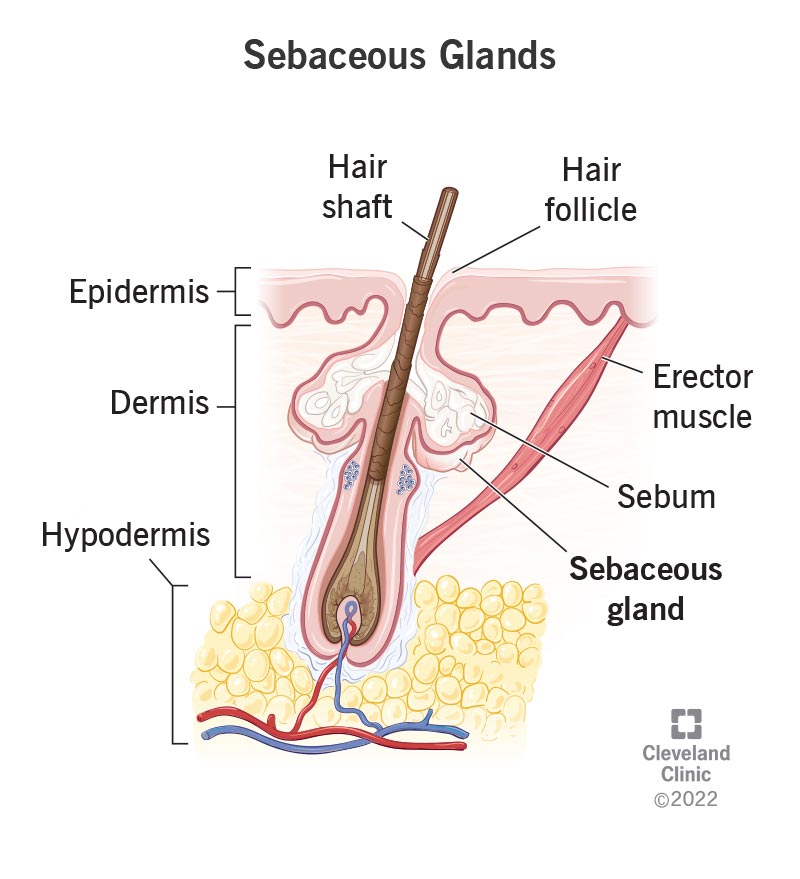

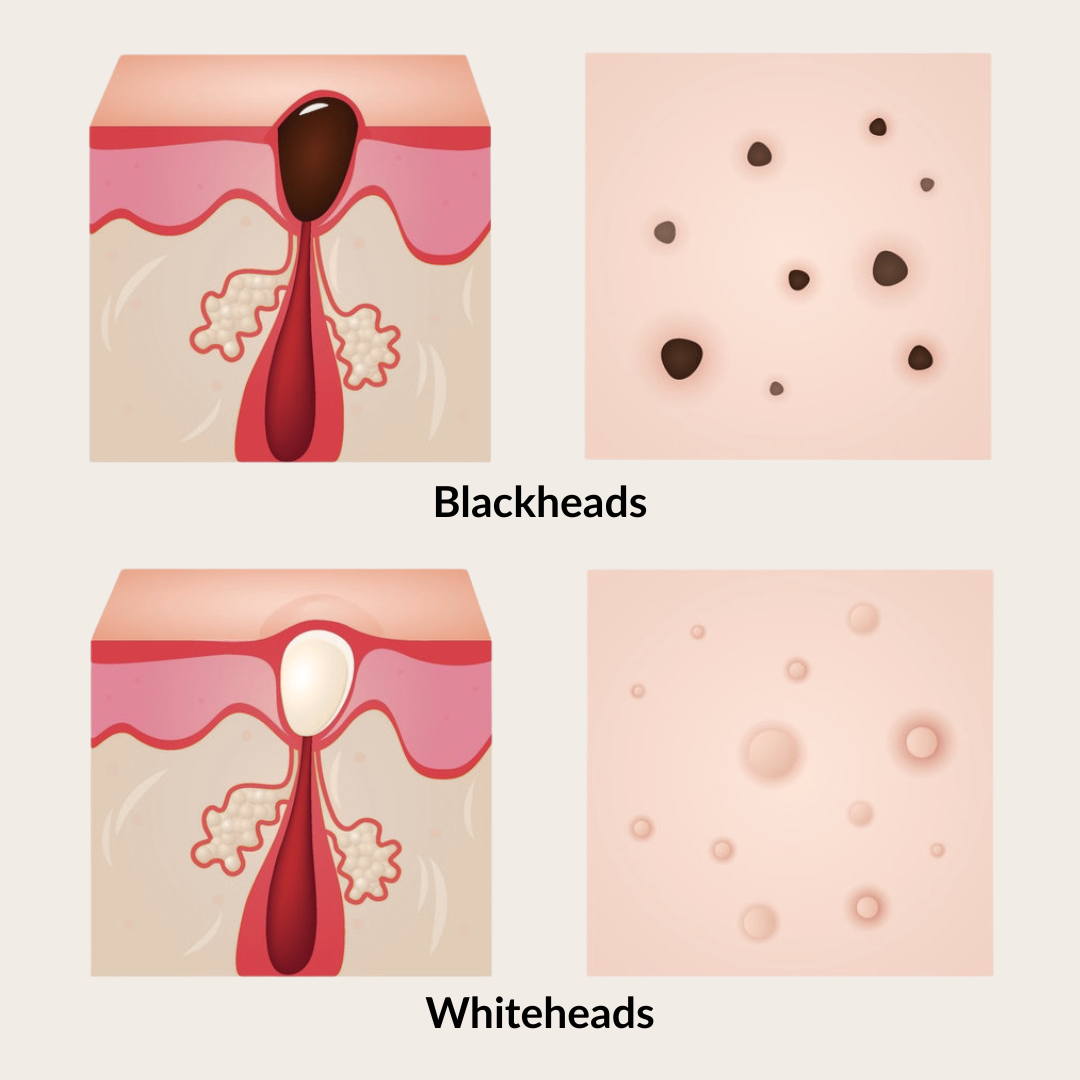
One of the key factors is how sweat affects the environment داخل the pore. In warm or humid conditions, increased sweating can soften the outer layer of the skin, which may make it easier for dead skin cells to accumulate داخل the follicle. At the same time, sweat can trap dirt, bacteria, and environmental pollutants against the skin, particularly if it is not removed through cleansing. This trapped mixture can contribute to pore congestion and create conditions that may support the growth of acne-associated bacteria, potentially leading to inflammatory breakouts.
Sweat is also closely linked to friction and occlusion, which can further influence acne development. When sweat accumulates تحت tight clothing, helmets, or equipment, it can create a warm, moist environment that increases irritation and blocks normal airflow to the skin. This condition, sometimes referred to as acne mechanica, may worsen breakouts in areas such as the forehead, chest, or back. The combination of pressure, heat, and trapped sweat can aggravate hair follicles and promote inflammation, even in individuals who do not typically experience frequent acne.
Individual skin characteristics and habits play an important role in how sweat affects acne. People with oily or acne-prone skin may be more susceptible to pore congestion when sweating frequently, especially if cleansing routines are inconsistent. Leaving sweat on the skin for extended periods—such as after exercise—may increase the likelihood of clogged pores. In contrast, promptly rinsing or cleansing the skin can help remove sweat, excess oil, and debris before they accumulate داخل the follicle.
Managing sweat-related acne typically involves maintaining a balance between effective cleansing and protecting the skin barrier. Gentle cleansing after sweating can help reduce buildup without causing irritation. Ingredients such as salicylic acid are commonly used to exfoliate داخل the pore and help prevent congestion, while benzoyl peroxide may help reduce acne-causing bacteria in cases of inflammatory acne. Lightweight, non-comedogenic products are often preferred, particularly in humid or active environments, to avoid adding additional occlusion to the skin.
Clothing and lifestyle adjustments can also support skin health. Wearing breathable fabrics, avoiding prolonged friction, and changing out of sweaty clothing promptly may help reduce irritation and pore blockage. While sweating itself is a normal and beneficial physiological process, its interaction with oil, bacteria, and environmental factors can influence acne development.
It is important to recognize that sweat is only one contributing factor among many. Acne is influenced by hormones, genetics, skincare habits, and environmental conditions. For individuals experiencing persistent or severe breakouts, particularly in areas affected by sweat and friction, consulting a qualified healthcare professional may help guide appropriate treatment options tailored to their specific skin needs.
