Video1
Video 2
Acne scarring develops as a result of how the skin responds to inflammation and tissue injury at the level of the hair follicle. When a pore becomes clogged with sebum and dead skin cells, it can form a comedone that may progress into an inflamed lesion if bacteria such as Cutibacterium acnes proliferate داخل the follicle. The immune system reacts by releasing inflammatory mediators, including cytokines and enzymes, which are intended to eliminate bacteria but can also damage surrounding skin structures. When this inflammatory process extends deep into the dermis, it disrupts collagen fibers and the extracellular matrix that provide structural support to the skin.

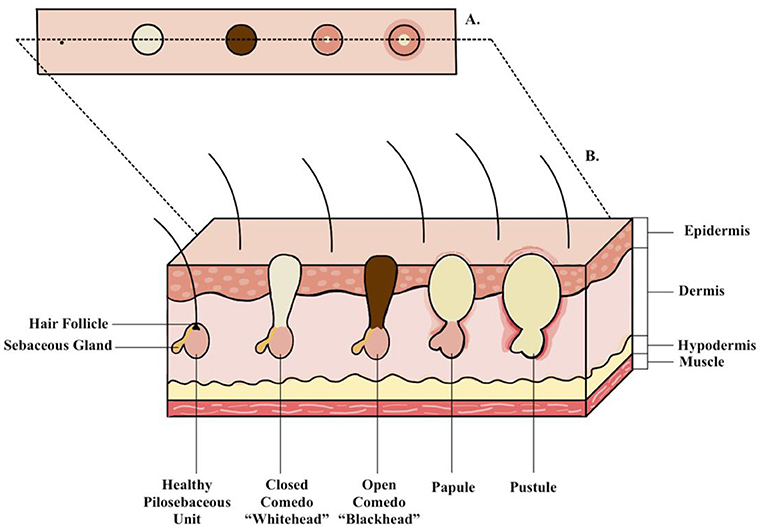
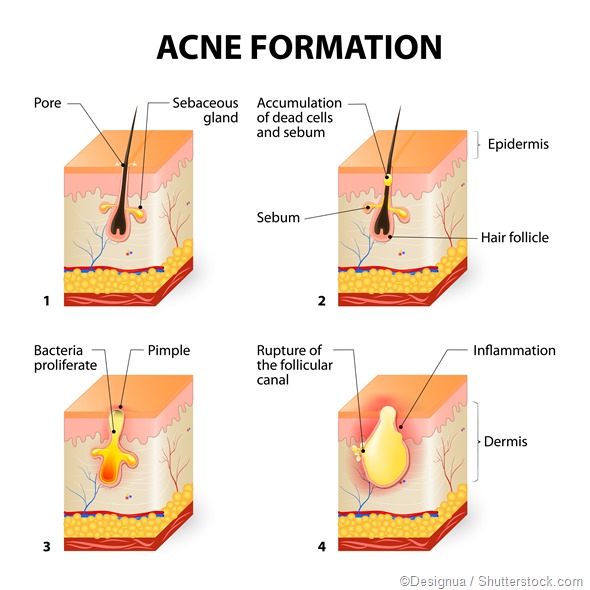

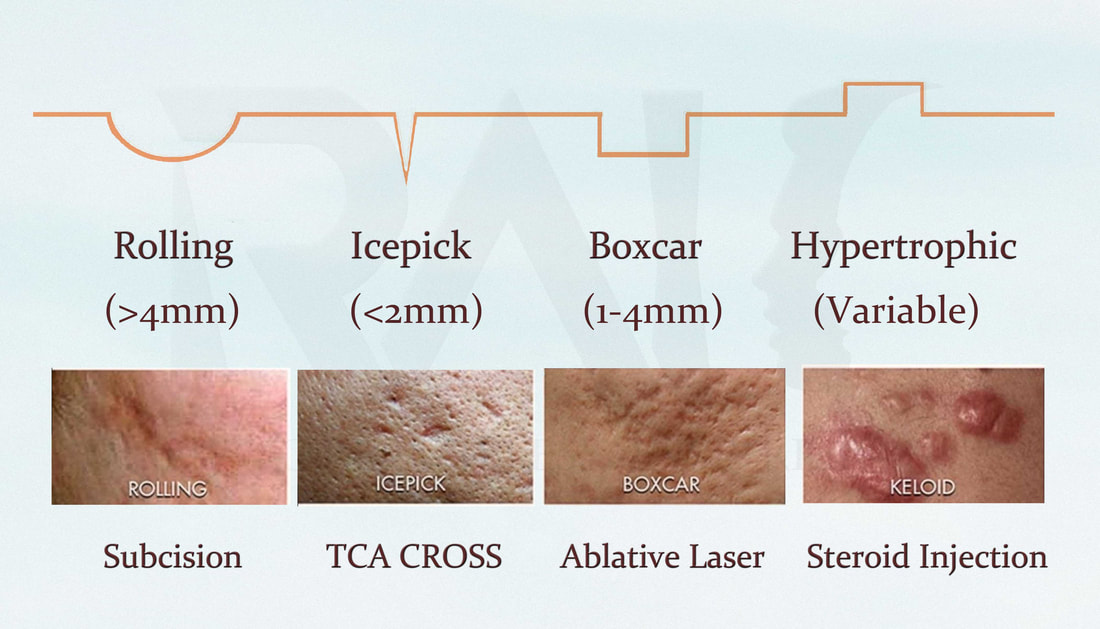
The formation of a scar depends on the balance between tissue destruction and repair. Fibroblasts, the cells responsible for producing collagen, attempt to rebuild the damaged area. However, this repair process is not always precise. If too little collagen is produced, the result is an atrophic scar, which appears as a depression in the skin. Common forms include ice pick, boxcar, and rolling scars. Conversely, if excessive collagen is produced, the skin may form raised scars such as hypertrophic scars or keloids. The type of scarring that develops is influenced by genetic predisposition, the severity and duration of inflammation, and how the skin heals.


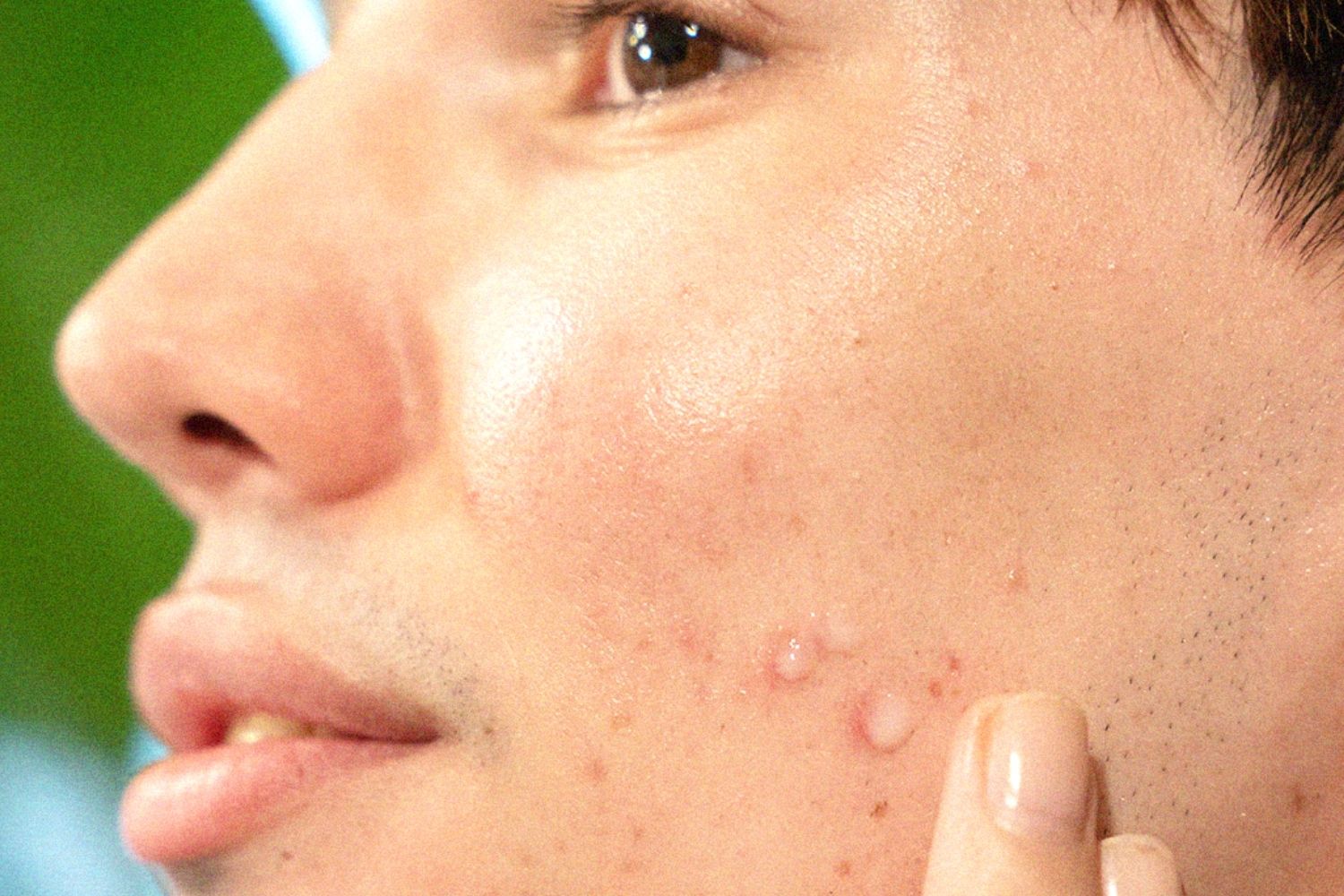
Several factors can increase the likelihood and severity of acne scarring. Prolonged or severe inflammatory acne is one of the strongest contributors, as deeper lesions are more likely to damage the dermis. Delayed or inadequate treatment allows inflammation to persist, increasing the risk of structural damage. Mechanical manipulation of lesions, such as squeezing or picking, can rupture the follicle wall and spread inflammation into surrounding tissue, further intensifying injury. In addition, differences in skin biology, including variations in collagen production and inflammatory response, explain why some individuals are more prone to scarring than others.
From a treatment perspective, preventing scarring is closely linked to controlling inflammation early. Ingredients such as retinoids may help normalize cell turnover and reduce comedone formation, while benzoyl peroxide and salicylic acid are commonly used to limit bacterial growth and clear pores. For existing scars, treatment approaches focus on stimulating collagen remodeling and improving skin texture. Procedures such as microneedling, chemical peels, laser therapy, and subcision are often used in dermatology to encourage controlled wound healing and new collagen formation. Topical agents like retinoids and certain acids may also support gradual improvement, although deeper scars typically require procedural intervention.
It is important to recognize that acne scarring is the result of complex biological repair processes rather than a simple surface issue. Complete removal of scars is often difficult, but their appearance can be improved over time with consistent and appropriate treatment. Early management of acne, avoidance of unnecessary irritation or picking, and guidance from qualified dermatology professionals can significantly reduce the long-term impact of scarring while supporting healthier skin recovery.
