In a world overflowing with information, the quest for clarity can often feel overwhelming.
For students, researchers, and anyone with a thirst for knowledge, academic journals stand as beacons of insight.
These publications delve into a myriad of subjects, offering rigorous research and peer-reviewed articles that illuminate complex questions.
Acne development is closely linked to the activity of skin bacteria within clogged pores, and one of the most widely used ingredients for targeting this process is benzoyl peroxide. This compound works primarily by reducing populations of Cutibacterium acnes, a bacterium that naturally lives on the skin but can contribute to inflammation when trapped inside blocked hair follicles. When excess sebum and dead skin cells accumulate within a pore, they create an environment with limited oxygen that allows these bacteria to multiply. Benzoyl peroxide releases oxygen into the follicle, creating conditions that are unfavorable for bacterial growth. This antibacterial effect may help reduce the inflammatory reactions that lead to red, swollen acne lesions.
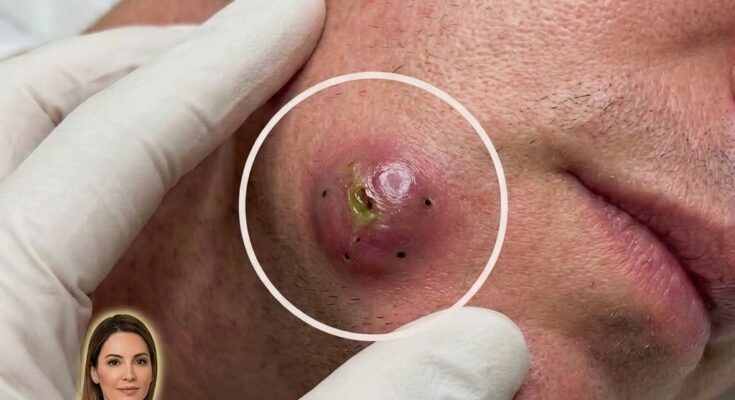
The formation of acne often begins with changes inside the pore rather than on the surface of the skin. Sebaceous glands produce sebum to help maintain skin hydration and barrier protection, but increased oil production combined with abnormal shedding of skin cells can lead to follicular keratinization. This process causes dead skin cells to stick together and accumulate inside the pore opening. As the pore becomes clogged, comedones such as blackheads and whiteheads may develop. When C. acnes bacteria multiply within these clogged follicles, they release enzymes and inflammatory molecules that can irritate surrounding skin tissue. This inflammatory response is responsible for many of the visible symptoms associated with acne breakouts.
Hormonal influences often play a role in this process because androgens can stimulate sebaceous glands to produce more oil. Increased sebum production provides additional nutrients for acne-related bacteria and contributes to the formation of clogged pores. Genetic factors may also influence how strongly the skin responds to bacteria and inflammation, which helps explain why some individuals develop persistent acne while others experience only occasional breakouts. Environmental factors such as humidity, occlusive skincare products, and certain cosmetic formulations can further affect pore congestion and bacterial activity.
Benzoyl peroxide is commonly used in acne treatments because it addresses several of these biological mechanisms at once. In addition to its antibacterial properties, it has mild keratolytic effects that help loosen the buildup of dead skin cells within the pore. By helping keep follicles more open, this ingredient may reduce the formation of new comedones. Many over-the-counter acne products contain benzoyl peroxide in concentrations ranging from lower strengths designed for sensitive skin to stronger formulations often recommended for more persistent breakouts. It is frequently combined with other skincare ingredients such as salicylic acid, which helps dissolve oil inside pores, or topical retinoids that regulate skin cell turnover.
Dermatologists sometimes recommend benzoyl peroxide as part of combination therapy because acne typically develops through multiple pathways. While benzoyl peroxide reduces bacterial activity and inflammation, retinoids help normalize follicular keratinization, and ingredients such as niacinamide may support skin barrier function and reduce visible redness. In some cases, prescription medications or professional dermatology treatments may be considered when acne becomes more severe or resistant to standard topical care. Combining different treatment strategies often allows clinicians to target sebum production, bacterial growth, clogged pores, and inflammation simultaneously.
Although benzoyl peroxide can be effective for many individuals, results usually develop gradually over several weeks as the skin cycle adjusts. Some people may initially experience dryness, mild irritation, or peeling while the skin adapts to treatment. Using a gentle cleanser, non-comedogenic moisturizer, and sunscreen may help support the skin barrier during this period. Because acne severity and skin sensitivity vary widely, persistent or severe breakouts are best evaluated by a qualified healthcare professional who can recommend an appropriate treatment plan tailored to individual skin needs. Educational resources on acne biology and treatment approaches continue to evolve as dermatology research expands our understanding of how bacteria, pores, and inflammation interact in acne-prone skin.