Many people try to balance work and health by focusing only on daily habits.
While daily routines are important, they are only part of the bigger picture.
A healthy and productive life also benefits from a clear monthly flow.
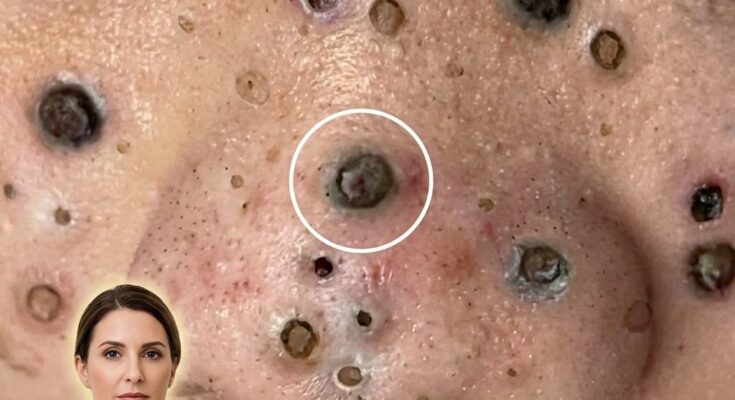
Topical retinoids are among the most widely studied and commonly recommended treatments for acne because of their direct effects on the biological processes that lead to clogged pores and inflammatory lesions. These vitamin A–derived compounds influence how skin cells grow, mature, and shed within the hair follicle. Acne often begins when excess sebum combines with dead skin cells inside the follicular canal, leading to blockage and the formation of comedones such as blackheads and whiteheads. Retinoids help normalize the process of follicular keratinization, which is the shedding of skin cells within the pore. By encouraging more orderly cell turnover and preventing cells from sticking together, topical retinoids may help keep pores clearer and reduce the formation of new comedonal lesions.
At the cellular level, retinoids interact with nuclear receptors in skin cells known as retinoic acid receptors. These receptors regulate gene expression related to cell differentiation, proliferation, and inflammation. When activated by topical retinoid therapy, these signaling pathways influence how keratinocytes behave inside the follicle. The result is a gradual normalization of the follicular lining, which can reduce the buildup of keratin plugs that contribute to pore congestion. This mechanism is particularly important in the early stages of acne development, when microcomedones form before visible breakouts appear.
Sebum production also plays an important role in acne formation. Hormonal signals, particularly androgens, stimulate sebaceous glands to produce more oil. While topical retinoids do not significantly reduce sebum production in the same way that some oral medications do, they can help limit the impact of excess oil by preventing the formation of compacted plugs inside the pore. When pores remain open and unobstructed, sebum is less likely to become trapped and create an environment where acne-causing bacteria may proliferate.
Inflammation is another key component of acne lesions. As pores become blocked and bacterial populations increase, the immune system may respond with localized inflammation, leading to red and swollen pimples. Some topical retinoids are believed to have mild anti-inflammatory effects that may help reduce inflammatory signaling in the skin. By addressing both the formation of clogged pores and the inflammatory cascade associated with acne, retinoids are often used as a foundational treatment in dermatology-based acne management.
Several different topical retinoids are used in clinical and over-the-counter skincare formulations. Prescription options such as tretinoin, adapalene, and tazarotene are commonly recommended by dermatologists because they have been extensively studied in acne treatment. Adapalene is also available in lower strengths without a prescription in many countries and is frequently included in acne treatment regimens for blackheads, whiteheads, and mild to moderate inflammatory acne. These medications are often used as part of combination therapy with other acne treatments such as benzoyl peroxide or topical antibiotics to target multiple pathways involved in acne development.
Because retinoids accelerate cell turnover, many individuals experience temporary skin irritation during the early stages of treatment. Dryness, mild peeling, redness, and increased sensitivity are common as the skin adjusts. Dermatology guidelines often suggest introducing retinoids gradually and pairing them with gentle cleansing routines and non-comedogenic moisturizers to help support the skin barrier. Consistent sunscreen use is also recommended because retinoids may increase sensitivity to ultraviolet radiation.
Improvement with topical retinoid therapy typically develops gradually over several weeks as the skin cycle normalizes and existing clogged pores clear. Early breakouts can sometimes occur during the initial phase of treatment as underlying microcomedones surface. This response is often temporary and may resolve as treatment continues and the formation of new blockages decreases.
While topical retinoids are considered a cornerstone of acne treatment, results vary depending on acne severity, skin type, and adherence to treatment. Persistent or severe acne may require evaluation by a qualified dermatologist, who can determine whether additional therapies are appropriate. When used appropriately and consistently, retinoid therapy remains one of the most evidence-supported strategies for improving clogged pores, reducing comedonal acne, and supporting long-term skin health.
