Video 1
Video 2
Video 3
The transition from clogged pores to inflamed acne begins within the hair follicle, where a buildup of sebum and dead skin cells creates a blocked environment. This initial stage, often referred to as a comedone, may appear as a blackhead or whitehead and is typically non-inflammatory. At this point, the pore is obstructed but the surrounding skin remains relatively calm. However, the internal conditions داخل the clogged follicle can gradually change, setting the stage for inflammation.


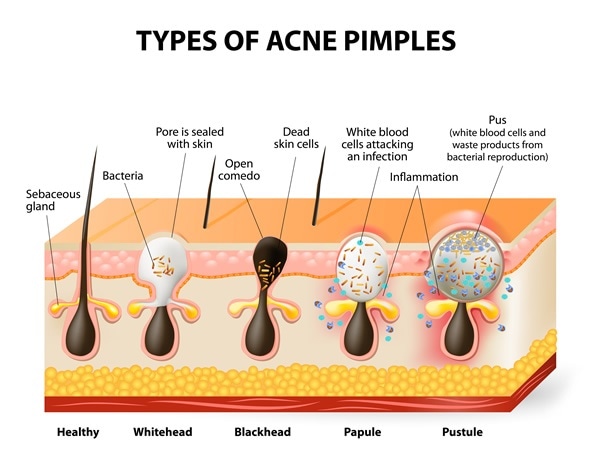

As sebum continues to accumulate inside the blocked pore, it creates an oxygen-poor environment that may support the growth of Cutibacterium acnes, a bacterium commonly present on the skin. While this bacterium is part of the normal skin microbiome, its activity داخل a confined, oil-rich follicle can contribute to the production of inflammatory byproducts. These substances can irritate the lining of the follicle and trigger the body’s immune response, even if the initial blockage was not inflamed.
The immune system responds by sending inflammatory cells to the affected area. This leads to the release of chemical signals that increase blood flow and cause redness, swelling, and tenderness. At the same time, the follicle wall may weaken due to internal pressure from the accumulating material. In some cases, the wall can rupture, allowing its contents—including sebum, মৃত skin cells, and bacteria—to spill into the surrounding tissue. This rupture intensifies the inflammatory response and contributes to the formation of papules, pustules, or more severe lesions such as nodules.
Several factors can influence how quickly or severely this transition occurs. Hormonal fluctuations, particularly those that increase sebum production, can accelerate the buildup داخل pores. Environmental factors such as humidity, pollution, and friction from clothing or frequent touching of the skin can further irritate already clogged follicles. Skincare habits also play a role; inconsistent cleansing or the use of occlusive products may contribute to continued blockage, while overly harsh treatments can damage the skin barrier and increase inflammation.
Preventing the progression from clogged pores to inflamed acne often focuses on early intervention. Ingredients such as salicylic acid may help keep pores clear by exfoliating داخل the follicle, while retinoids are commonly used to regulate cell turnover and reduce the formation of comedones. Benzoyl peroxide may help reduce the activity of acne-associated bacteria and limit inflammation when breakouts begin to develop. Supporting the skin barrier with gentle, non-comedogenic moisturizers can also help reduce irritation and maintain balance.
It is important to recognize that not all clogged pores will become inflamed, and the progression varies between individuals. Acne is influenced by a combination of internal and external factors, including genetics, hormones, and environment. Consistent skincare and early management may reduce the likelihood of inflammatory lesions, but results can take time. For persistent or more severe acne, professional evaluation may help guide targeted treatments and reduce the risk of long-term skin changes such as scarring.
