Video 1
Video 2
Video 3
Acne often appears in cycles because the biological processes that drive it—oil production, skin cell turnover, and hormonal signaling—operate in repeating patterns rather than remaining constant. At the core of acne formation is the hair follicle, where sebum and dead skin cells can accumulate and form microcomedones. These early blockages may take weeks to develop beneath the surface before becoming visible as blackheads, whiteheads, or inflamed lesions. Because this process is gradual and continuous, new breakouts can emerge in waves even when the skin appears to be improving.

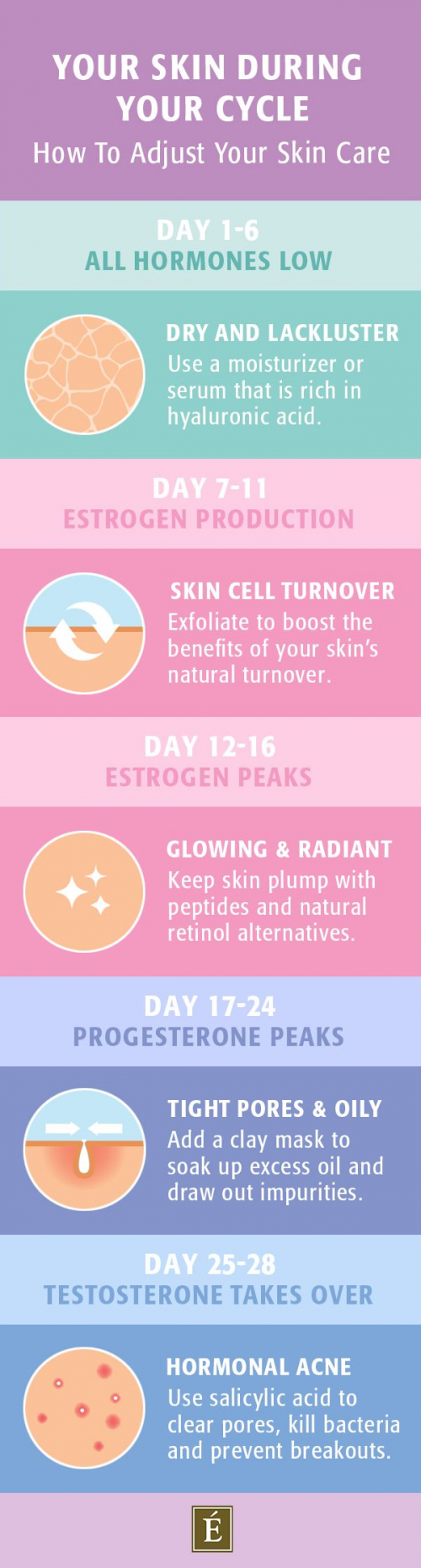

Hormonal fluctuations are one of the most common reasons acne follows a cyclical pattern. Changes in androgen levels can stimulate sebaceous glands to produce more oil, increasing the likelihood of clogged pores. In many individuals, these hormonal shifts occur in predictable rhythms, such as during the menstrual cycle, leading to breakouts that appear at similar times each month. Stress-related hormonal changes, including increases in cortisol, may also follow patterns tied to lifestyle or environmental factors, contributing to recurring flare-ups.
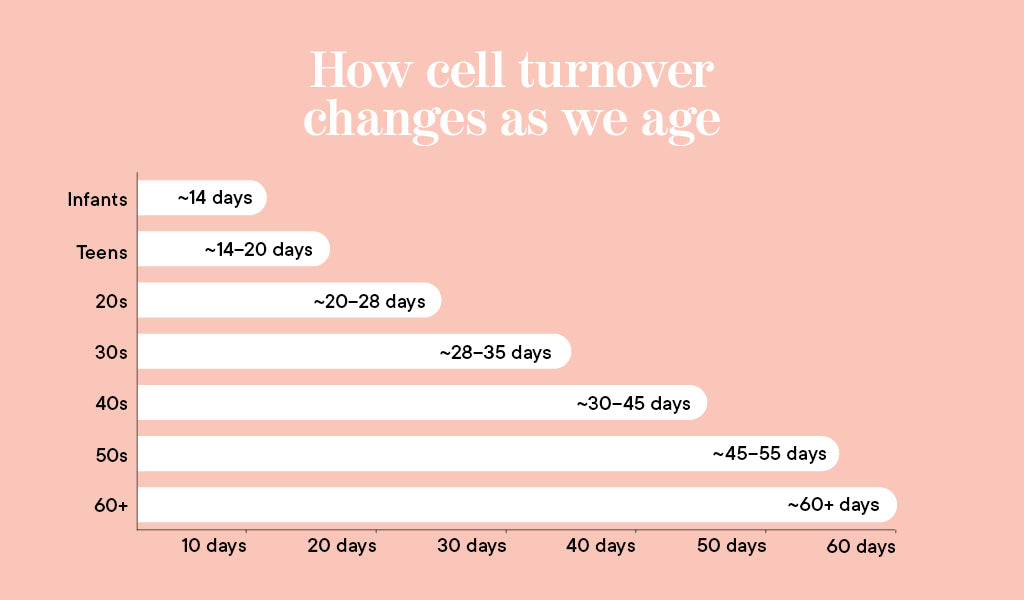
Skin cell turnover itself is another cyclical process that influences acne. The skin renews approximately every few weeks, and disruptions in this cycle can lead to periodic buildups of dead skin cells داخل pores. When this buildup aligns with increased sebum production, the likelihood of comedone formation rises. Because these processes are not perfectly synchronized, acne may seem to appear suddenly, even though it has been developing beneath the surface over time.
Recurring acne in the same areas can also be linked to localized factors within the skin. Certain المناطق may have more active sebaceous glands or be more prone to friction, pressure, or repeated contact, such as from hands, phones, or clothing. These المناطق may consistently experience pore congestion, leading to repeated breakouts in similar locations. Additionally, if previous acne has altered the الجلد structure or barrier function, those areas may remain more susceptible to future lesions.
Lifestyle patterns can reinforce these cycles. Irregular sleep, fluctuating diet, inconsistent skincare routines, and stress can all vary over time and influence how the skin behaves. For example, periods of increased stress or changes in routine may coincide with breakouts, creating the impression of a repeating pattern. Environmental factors such as seasonal humidity or temperature changes may also contribute to cyclical acne by affecting oil production and skin hydration.
Managing cyclical acne often involves consistency and long-term strategies rather than reactive treatment. Ingredients such as retinoids are commonly used to regulate skin cell turnover and reduce the formation of microcomedones, while salicylic acid may help keep pores clear. Benzoyl peroxide can be used to address inflammatory lesions when they arise. Maintaining a stable skincare routine, along with supportive lifestyle habits such as regular sleep and stress management, may help reduce the شدت and frequency of breakouts over time.
It is important to understand that cyclical acne is a reflection of the skin’s natural rhythms interacting with internal and external influences. While these patterns can be frustrating, they are common and often manageable with consistent care. For individuals with persistent or hormonally driven acne, professional guidance may help identify targeted treatments that address the underlying causes and reduce recurring flare-ups.
