Why Do People Get Acne and Pimples on Their Face Nowadays
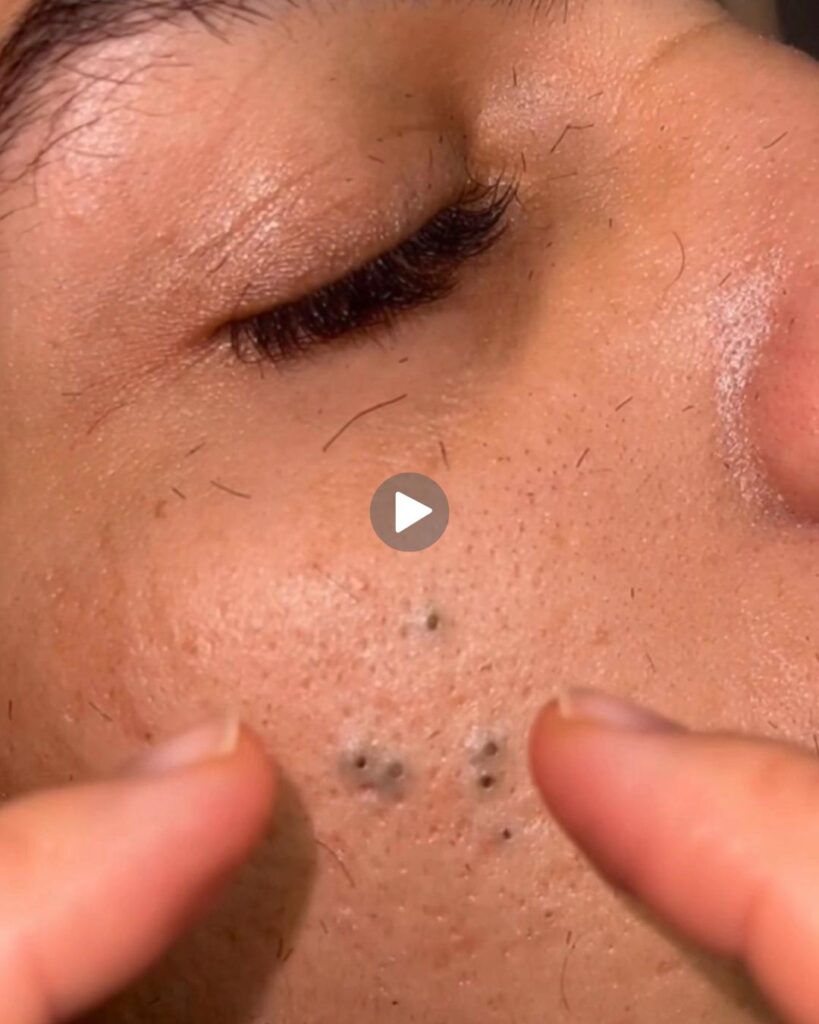
In recent years, acne and pimples have become very common problems for people of all ages. Earlier, acne was mostly seen in teenagers, but today even adults in their 20s, 30s, and 40s suffer from breakouts. Many people ask the same question: why is acne so common nowadays?
The answer is not just one reason. Acne happens due to a combination of lifestyle changes, diet habits, stress, pollution, skincare mistakes, and hormonal imbalance. Modern life has changed the way we eat, sleep, work, and care for our skin—and all these factors directly affect facial skin health.
Below are the main reasons why acne and pimples appear on the face more often today.
1. Unhealthy Diet and Fast Food Consumption
One of the biggest reasons for acne nowadays is an unhealthy diet. Many people eat fast food, junk food, oily snacks, sugary drinks, and processed meals almost daily.
Foods high in sugar and refined carbohydrates increase blood sugar levels. This causes the body to release more insulin, which increases oil (sebum) production in the skin. Excess oil clogs pores and leads to acne.
Common acne-causing foods include:
- Fast food and fried items
- Soft drinks and energy drinks
- Chocolates and sweets
- White bread and bakery products
- Packaged and processed food
Lack of fruits, vegetables, and water also makes skin dull and prone to breakouts.
2. Hormonal Imbalance
Learn why acne and pimples are increasing on faces today. This article explains modern lifestyle causes like diet, stress, pollution, and hormonal changes.Hormonal changes are a major cause of acne in both men and women. Hormones called androgens increase oil production in the skin. When oil mixes with dead skin cells and bacteria, pimples form.
Hormonal acne is common during:
- Puberty
- Menstrual cycle
- Pregnancy
- Polycystic Ovary Syndrome (PCOS)
- Stress and lack of sleep
Nowadays, irregular lifestyles and poor eating habits disturb hormones, making acne more frequent.
3. Stress and Mental Pressure
Modern life is full of stress—work pressure, studies, financial worries, social media comparison, and lack of rest. Stress increases the hormone cortisol, which stimulates oil glands in the skin.
When stress levels rise:
- Skin produces more oil
- Healing becomes slower
- Inflammation increases
- Existing acne becomes worse
People who sleep late, overthink, or stay anxious often notice sudden breakouts on their face.
4. Pollution and Environmental Factors
Air pollution has increased a lot in cities. Dust, smoke, chemicals, and toxins settle on the skin every day. If the face is not cleaned properly, these particles clog pores.
Pollution damages the skin barrier and causes:
- Blocked pores
- Inflammation
- Bacterial growth
- Uneven skin texture
People living in polluted areas often suffer from blackheads, whiteheads, and acne more than before.
5. Excessive Use of Skincare and Makeup Products
Using too many skincare and makeup products is another modern cause of acne. Many people apply multiple products daily without understanding their skin type.
Common mistakes include:
- Using heavy creams on oily skin
- Applying makeup daily without proper removal
- Using expired or low-quality products
- Mixing too many active ingredients
Some products contain pore-clogging ingredients that trap oil and bacteria, leading to breakouts.
6. Poor Face Cleaning Habits
Not cleaning the face properly is a major reason acne forms. Sweat, oil, dirt, and makeup must be removed daily.
Bad habits include:
- Washing face too much (over-washing)
- Using harsh soaps
- Sleeping with makeup on
- Not cleaning mobile phones and pillowcases
Dirty pillow covers and phone screens transfer bacteria to the face, causing pimples on cheeks, jawline, and forehead.
7. Excessive Screen Time and Mobile Phones
Nowadays, people spend many hours using mobile phones and laptops. Phone screens carry bacteria and oil, which transfer to the face when you touch or talk on the phone.
Also, long screen time:
- Increases stress
- Reduces sleep quality
- Causes hormonal imbalance
All these indirectly increase acne problems.
8. Lack of Proper Sleep
Sleep is very important for skin repair. During deep sleep, the body heals damaged skin and balances hormones.
Poor sleep habits like:
- Sleeping late
- Using phones at night
- Irregular sleep schedule
can cause:
- Hormonal imbalance
- Increased oil production
- Dark circles and acne
People who sleep less than 7 hours regularly often notice more pimples.
9. Dehydration and Low Water Intake
Water helps flush toxins from the body. Many people today drink less water and consume more tea, coffee, and soft drinks instead.
Dehydration causes:
- Dry but oily skin
- Increased oil production
- Slow skin healing
When toxins stay in the body, they often show up as acne on the face.
10. Genetic Factors
Sometimes acne is genetic. If parents had acne problems, their children may also experience acne. Genetics affect:
- Oil gland activity
- Skin sensitivity
- Hormonal response
In such cases, acne may appear even with good skincare.
11. Overuse of Antibiotics and Medicines
Some medicines, including steroids and certain antibiotics, disturb gut health and hormones. Poor gut health increases inflammation, which can trigger acne.
Modern medicine misuse is another hidden reason acne has increased.
Conclusion
Acne and pimples are more common nowadays because modern lifestyles have changed drastically. Unhealthy food, stress, pollution, lack of sleep, poor skincare habits, and hormonal imbalance all play a role.
Acne is not just a skin problem—it is often a sign that the body needs better care. By improving diet, reducing stress, drinking enough water, maintaining proper hygiene, and using suitable skincare products, acne can be controlled naturally.
Healthy skin starts with healthy habits. When lifestyle improves, skin also begins to heal from within.