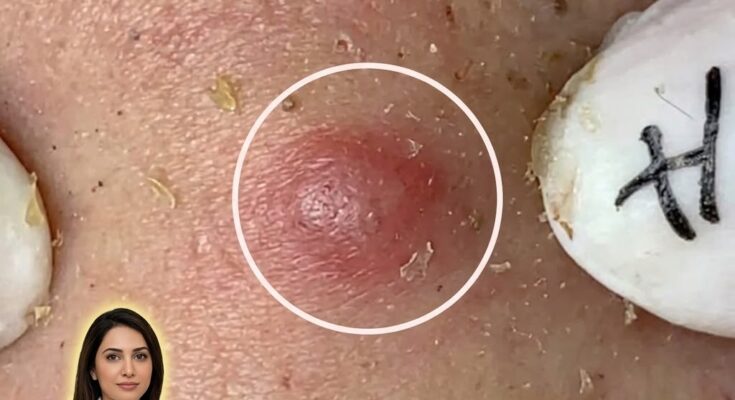
Video 1
Video 2
Video 3
Acne is often discussed as a single condition, but it actually represents a spectrum of related disorders that share common mechanisms while differing in severity, presentation, and underlying triggers. At its core, acne develops through increased sebum production, abnormal shedding of keratinocytes within the follicle, bacterial activity, and inflammation. However, the way these factors interact can vary significantly between individuals, leading to different types of lesions such as blackheads, whiteheads, papules, pustules, or deeper nodules. These variations explain why acne does not respond uniformly to the same treatments.
One key distinction lies in the type of acne present. Comedonal acne is characterized primarily by clogged pores, including blackheads and whiteheads, with minimal inflammation. This form is often linked to irregular cell turnover and excess oil within the follicle. In contrast, inflammatory acne involves redness, swelling, and sometimes pain, reflecting a stronger immune response to bacterial activity and follicular rupture. More severe forms, such as nodular or cystic acne, extend deeper into the skin and may carry a higher risk of scarring. Each of these forms may require a different therapeutic approach based on its underlying characteristics.
Individual factors further influence how acne develops and behaves. Hormonal fluctuations, particularly increases in androgen levels, can significantly affect sebum production, which is why acne is common during adolescence and may persist or reappear in adulthood. Genetic predisposition also plays a role in determining skin type, sensitivity, and how the body responds to inflammation. Environmental influences such as climate, pollution, and lifestyle habits can modify these baseline tendencies, making acne more or less pronounced over time.
The condition of the skin barrier adds another layer of complexity. Some individuals with acne-prone skin also experience sensitivity or dehydration, which can alter how the skin reacts to treatments. A compromised barrier may lead to increased irritation and inconsistent cell turnover, contributing to both clogged pores and inflammation. In these cases, treatments that are too aggressive may worsen the condition, even if they are effective for others with more resilient skin.
Differences in skincare routines and product choices also contribute to variability. Heavy or occlusive products may aggravate acne in some individuals by promoting buildup within pores, while others may tolerate them without issue. Similarly, active ingredients such as salicylic acid, benzoyl peroxide, and retinoids may produce different results depending on skin type, tolerance, and the specific form of acne being treated. This variability underscores the importance of selecting treatments based on individual needs rather than applying a uniform approach.
Because acne varies in both cause and presentation, outcomes and timelines for improvement also differ. Some individuals may respond quickly to over-the-counter treatments, while others require longer-term management or prescription therapies. Persistent or severe acne, particularly when associated with scarring or significant inflammation, often benefits from evaluation by a qualified dermatologist who can tailor treatment to the specific type and contributing factors.
Understanding that not all acne is the same helps set realistic expectations and supports more effective management. Rather than viewing acne as a single condition with a universal solution, it is more accurate to approach it as a multifactorial process that requires individualized care. This perspective allows for more targeted treatment strategies that address the unique characteristics of each person’s skin, improving both short-term control and long-term skin health.
