Acne development is closely linked to biological processes occurring within the hair follicle,
where oil glands produce sebum that helps lubricate and protect the skin.
When excess sebum mixes with dead skin cells inside the follicle,
Sun exposure can worsen acne marks through its effects on inflammation, pigment production, and the structural integrity of the skin. After an acne lesion heals, the skin often remains in a sensitive, post-inflammatory state. During this phase, melanocytes become more reactive to external stimuli, particularly ultraviolet (UV) radiation. When UV rays penetrate the skin, they stimulate these pigment-producing cells to increase melanin synthesis, which can darken existing post-inflammatory hyperpigmentation (PIH) and make acne marks more noticeable and persistent.


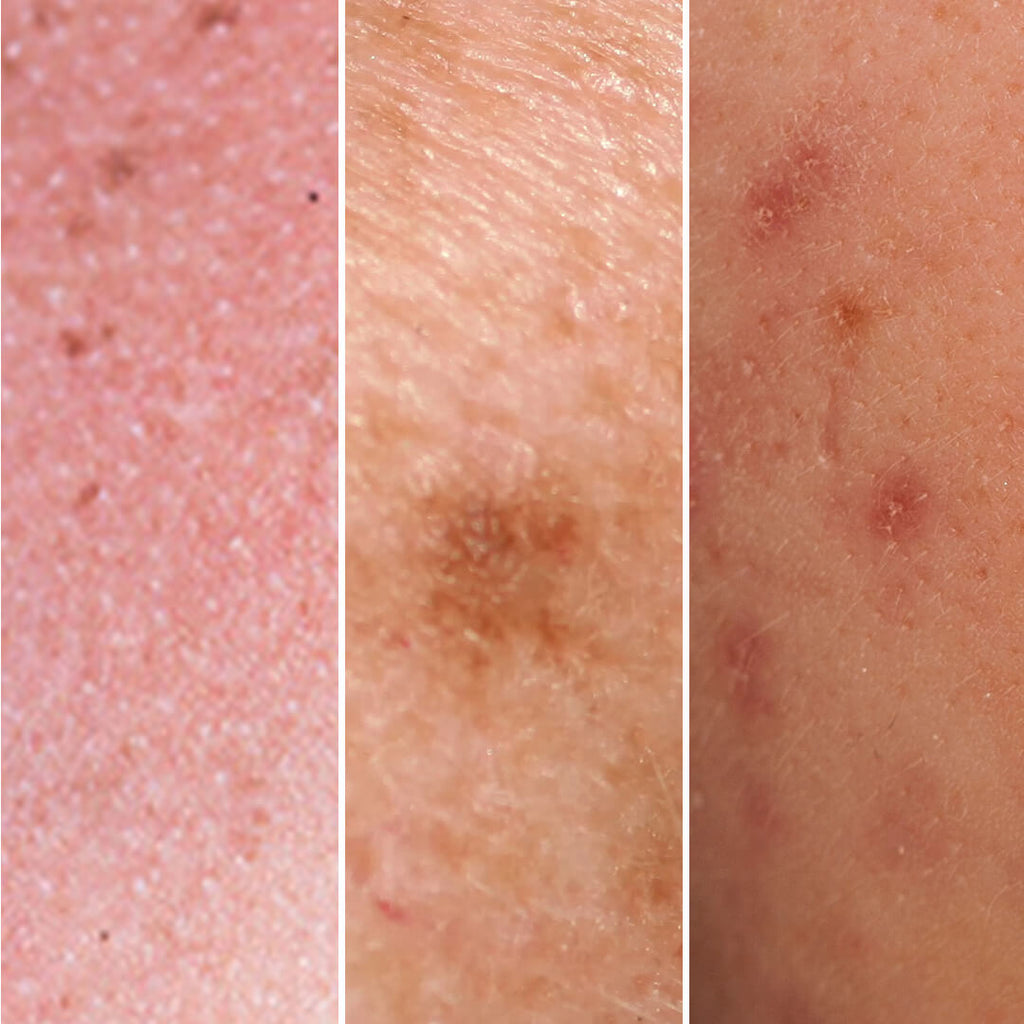
The worsening of acne marks is not limited to pigmentation alone. UV exposure can also prolong inflammation in the skin. Even after a breakout appears to have healed, low-level inflammatory activity may still be present. Sunlight can exacerbate this process by triggering oxidative stress and the release of inflammatory mediators, which may delay the skin’s natural recovery and extend the lifespan of visible marks such as redness or discoloration.
Another important factor is the effect of UV radiation on collagen. Ultraviolet light, particularly UVA, penetrates into the dermis and contributes to the breakdown of collagen fibers through the activation of enzymes that degrade the extracellular matrix. Since collagen is essential for maintaining smooth skin structure during the healing process, its degradation can impair proper repair and increase the likelihood that acne marks evolve into longer-lasting textural changes or scars.
In addition, certain acne treatments can increase photosensitivity, making the skin more vulnerable to sun-related damage. Ingredients such as retinoids and exfoliating acids accelerate cell turnover and thin the outermost layer of the skin, which can reduce its natural protection against UV radiation. Without adequate sun protection, this heightened sensitivity may lead to quicker pigmentation changes and irritation.
Managing acne marks effectively therefore includes consistent sun protection as a core component of skincare. Broad-spectrum sunscreen helps limit UV-induced melanocyte stimulation and protects against collagen degradation, allowing the skin to heal more predictably. Complementary measures, such as wearing protective clothing and minimizing prolonged sun exposure, can further reduce the risk of worsening discoloration.
Sun-related changes to acne marks often develop gradually and may not be immediately noticeable, but repeated exposure can significantly prolong their persistence. By protecting the skin during the healing phase and maintaining a stable environment for recovery, it becomes more possible to support even skin tone and reduce the long-term visibility of post-acne marks
