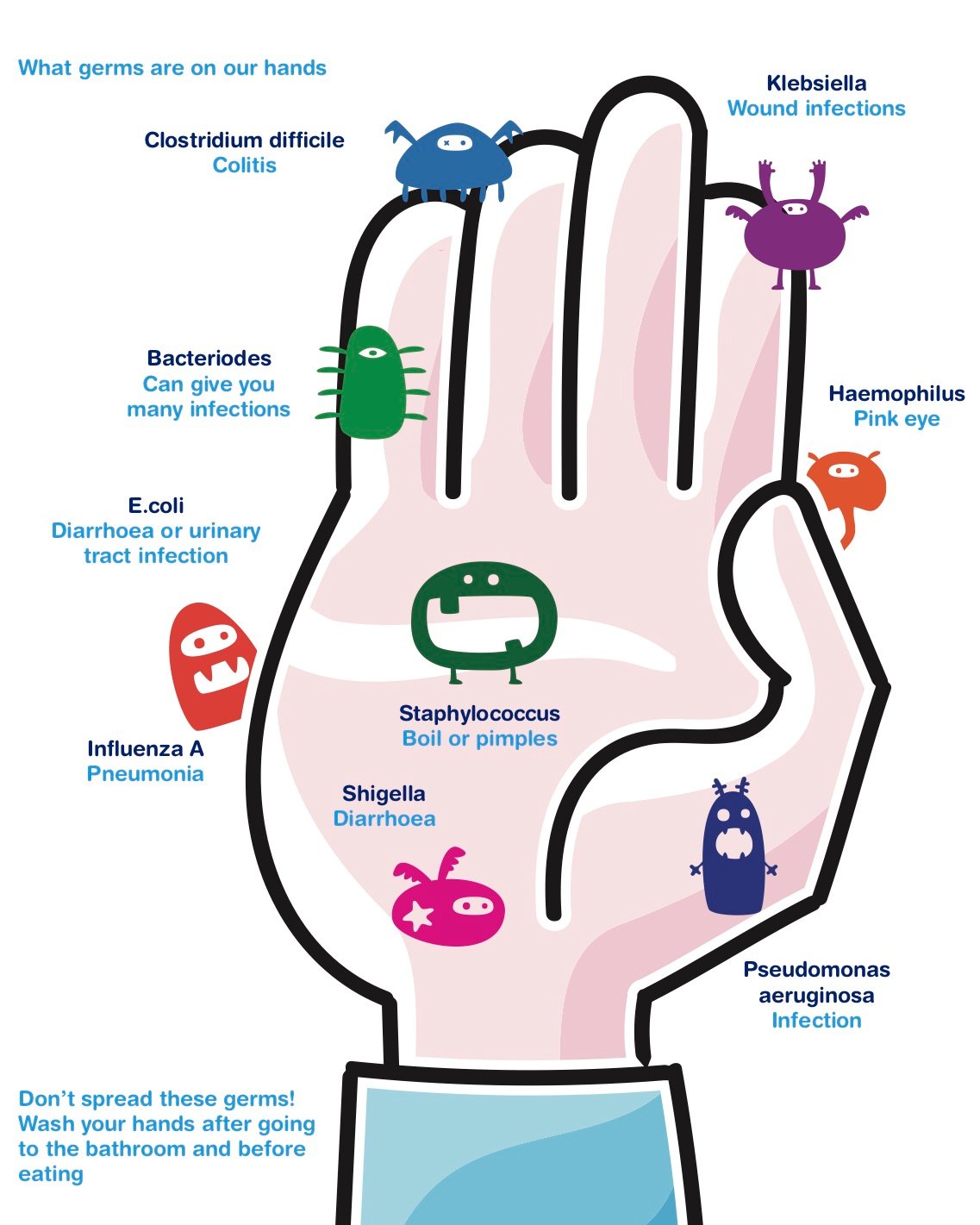
Touching the face can contribute to acne formation by introducing external contaminants and disrupting the delicate balance within the pore. The skin on the face contains numerous sebaceous glands that produce sebum, which helps protect and lubricate the skin. When hands come into contact with the face, oils, dirt, bacteria, and environmental residues from surfaces are transferred onto the skin. These substances can mix with sebum and dead skin cells داخل the follicle, increasing the likelihood of clogged pores. As pores become obstructed, comedones such as blackheads and whiteheads may form, creating the foundation for acne development.
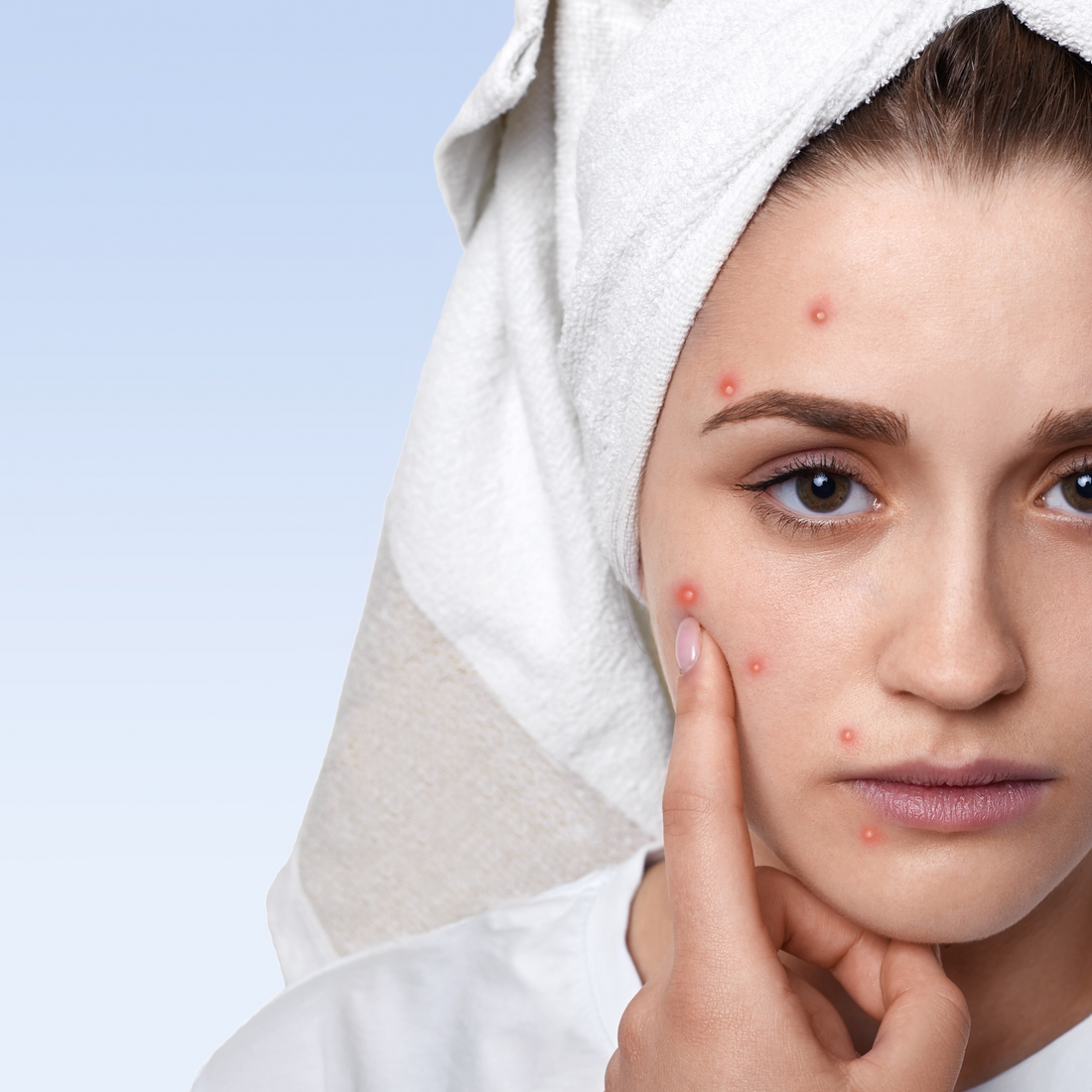

In addition to transferring impurities, frequent touching can physically irritate the skin. Friction from hands, fingers, or even resting the face on surfaces can disrupt the outermost layer of the skin, known as the stratum corneum. This irritation may trigger inflammation, which is a key component of acne. Inflamed skin is more reactive and may produce signals that worsen existing lesions or contribute to the formation of new ones. Repeated pressure on certain areas, such as the cheeks or chin, can also aggravate pores that are already partially clogged, increasing the risk of developing inflammatory acne.
Another important factor is the role of bacteria. While acne is not caused solely by external bacteria, introducing additional microbes from the hands can influence the skin’s microbiome. When bacteria interact with trapped sebum inside clogged pores, they may contribute to inflammation and the progression of acne lesions. This is particularly relevant when individuals touch their face after contact with frequently used objects such as phones, keyboards, or door handles, which can harbor microorganisms.
Skin picking or squeezing blemishes further amplifies the problem. Manipulating acne lesions can push debris deeper into the follicle, increasing inflammation and potentially leading to more severe breakouts. It can also damage surrounding tissue, raising the risk of post-inflammatory hyperpigmentation or scarring. Even seemingly minor habits, such as absentmindedly touching the face throughout the day, can have a cumulative effect over time.
Behavioral patterns often play a role in how frequently the face is touched. Stress, concentration, or fatigue can increase unconscious habits like resting the chin on the hand or picking at the skin. These repeated actions can continuously expose the skin to irritants and bacteria, making it more difficult for acne to improve, even when using appropriate skincare products.
Reducing face touching is a simple but often overlooked step in managing acne. Being mindful of hand-to-face contact, keeping hands clean, and regularly disinfecting commonly used items like phones may help limit the transfer of impurities. Maintaining a consistent skincare routine with ingredients such as salicylic acid to clear pores, retinoids to regulate cell turnover, and niacinamide to calm inflammation can further support clearer skin. Gentle cleansing at the end of the day helps remove accumulated debris and reduces the impact of any incidental contact that occurs.
While avoiding face touching can support acne prevention, it is only one part of a broader picture. Acne is influenced by multiple factors, including hormones, genetics, and environmental exposure. For individuals with persistent or severe breakouts, professional evaluation may be beneficial to develop a comprehensive treatment plan that addresses both behavioral and biological contributors.
