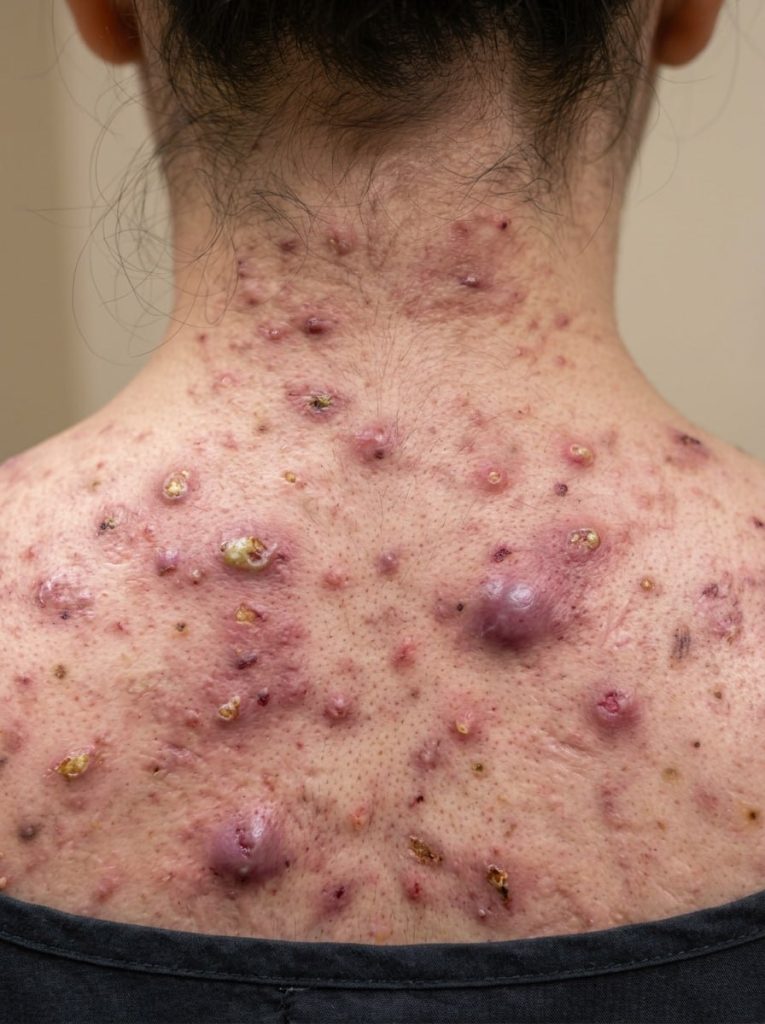
Hormonal therapies can benefit some people with acne because hormones—particularly androgens—can stimulate the skin’s oil (sebaceous) glands to produce more sebum. Excess sebum, combined with dead skin cells and inflammation, can contribute to clogged pores and acne breakouts.
Hormonal treatments may be considered for some patients, especially those who:
- Have acne that worsens around their menstrual cycle.
- Have persistent acne that has not responded adequately to topical treatments.
- Show signs of hormone-related acne, such as breakouts concentrated along the jawline or chin.
- Have certain hormone-related conditions that contribute to acne, as determined by a healthcare professional.
Examples of hormonal therapies include:
- Certain combined oral contraceptives: Some birth control pills can help regulate hormone levels and reduce androgen activity, leading to decreased oil production and fewer acne lesions.
- Spironolactone: This prescription medication can reduce the effects of androgens on the skin, making it a treatment option for some women with hormonal acne.
Hormonal therapies are not appropriate for everyone. A healthcare professional will consider factors such as medical history, age, pregnancy plans, other medications, and potential risks before recommending them.
These treatments typically take several weeks to a few months to show noticeable improvement and are often used alongside topical acne treatments as part of a comprehensive acne management plan. Regular follow-up helps assess effectiveness, monitor for side effects, and determine whether any adjustments to treatment are needed.
