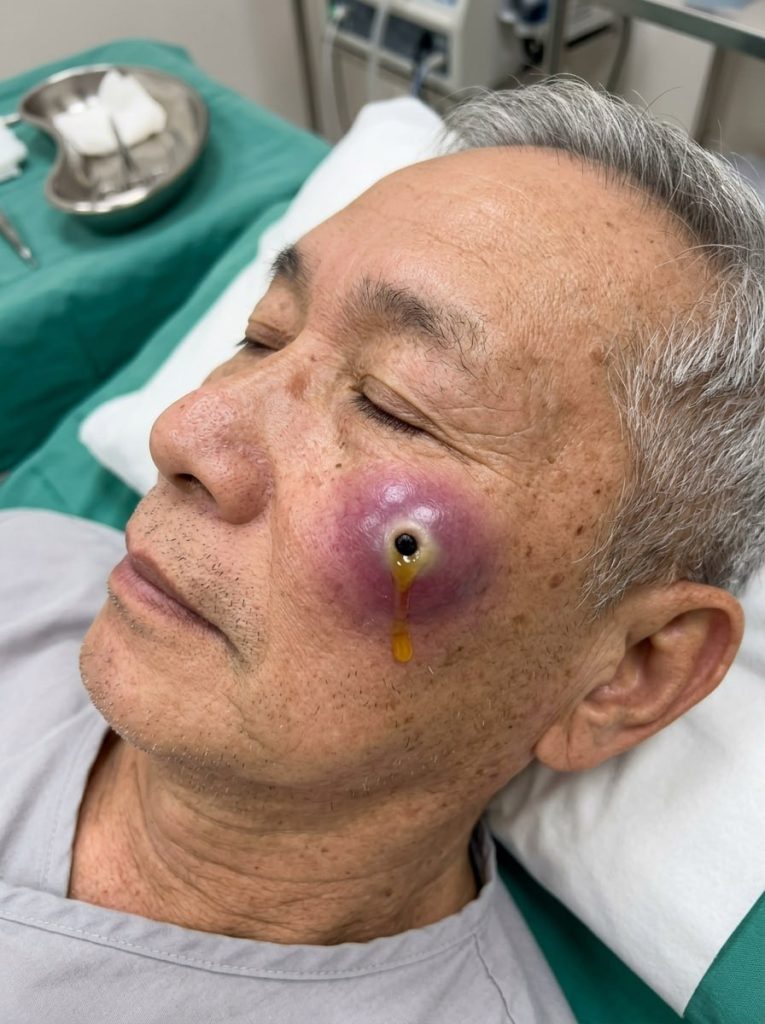
Oral medications can play an important role in acne management, particularly for moderate to severe acne, acne that affects large areas (such as the chest or back), acne that is causing scarring, or acne that has not improved with topical treatments alone. A healthcare professional can determine whether oral medication is appropriate based on the type and severity of acne.
Common types of oral medications used include:
- Oral antibiotics: These help reduce the growth of acne-causing bacteria and decrease inflammation. They are usually prescribed for a limited period and are typically combined with topical treatments to reduce the risk of antibiotic resistance.
- Hormonal treatments: For some women, certain hormonal medications, including some combined oral contraceptives or medications that reduce the effects of androgens, can help improve acne by decreasing oil production.
- Isotretinoin: This medication is often reserved for severe, scarring, or treatment-resistant acne. It can be highly effective but requires close medical supervision because of its potential side effects, including a high risk of serious birth defects if taken during pregnancy.
In addition to oral medications, healthcare providers often recommend:
- Topical treatments, such as retinoids or benzoyl peroxide.
- A gentle skincare routine.
- Regular follow-up visits to monitor treatment response and any side effects.
Improvement with oral medications usually takes several weeks to become noticeable, and treatment duration varies depending on the medication and individual response. Following the prescribed treatment plan and attending recommended follow-up appointments can help achieve the best results while minimizing risks.
