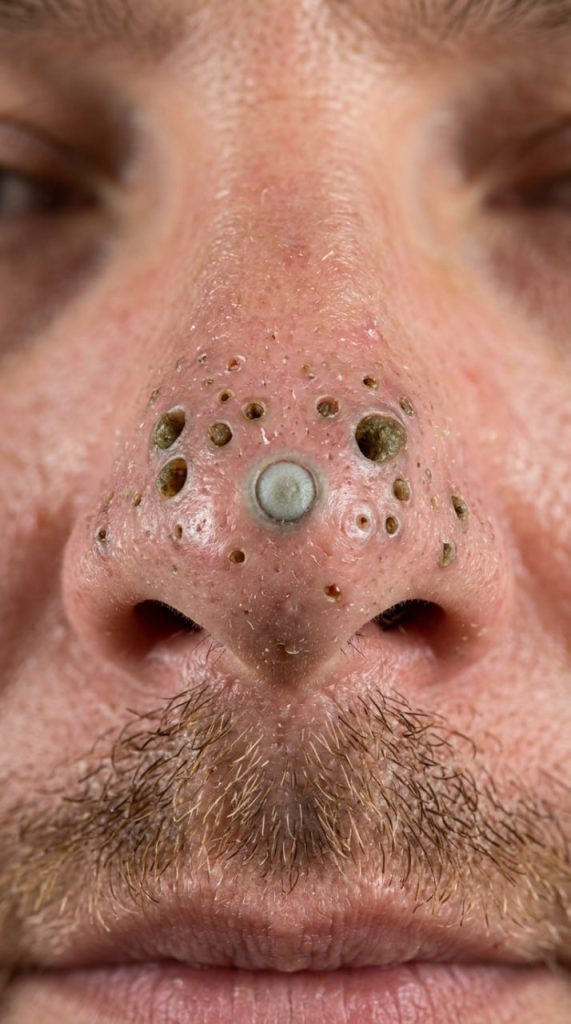
Dermatology-based skincare emphasizes prevention because it is generally easier to stop acne from forming than to treat established breakouts, scars, or discoloration after they occur. This approach is supported by research showing that consistent, evidence-based care can reduce new lesions and improve long-term outcomes.
Here are the main reasons prevention is a central goal:
It interrupts acne before it becomes visible
Acne begins with microscopic changes inside the hair follicle before a pimple appears. Preventive treatments help reduce:
- Clogged pores (microcomedones)
- Excess oil buildup
- Inflammation
- Growth of acne-associated bacteria
By targeting these early steps, new breakouts are less likely to develop.
It helps reduce scarring
Inflammatory acne, especially deep nodules and cysts, can damage the skin and lead to permanent scars. Preventing these lesions lowers the chance of lasting skin changes.
It minimizes post-acne marks
Even after a blemish heals, it may leave:
- Red or pink marks (post-inflammatory erythema)
- Dark spots (post-inflammatory hyperpigmentation), particularly in people with darker skin tones
Preventing acne means fewer of these marks develop in the first place.
It supports the skin barrier
A preventive routine usually includes:
- A gentle cleanser
- An appropriate acne treatment
- A non-comedogenic moisturizer
- Broad-spectrum sunscreen
Maintaining the skin barrier helps reduce irritation, allowing acne treatments to be used consistently and effectively.
It encourages long-term consistency
Acne is often a chronic condition that can fluctuate over months or years. Rather than stopping treatment as soon as the skin clears, dermatologists may recommend continuing a maintenance routine to help prevent new breakouts.
For example, a topical retinoid may be continued even after acne improves because it helps keep pores from becoming clogged again.
It reduces the need for more intensive treatment
Managing acne early and consistently may decrease the likelihood of needing stronger interventions later, such as oral medications or procedures. However, some people will still require these treatments depending on the severity and type of acne.
It improves quality of life
Acne can affect self-confidence and emotional well-being. Reducing the frequency and severity of breakouts may lessen the day-to-day impact of living with a chronic skin condition.
Prevention doesn’t mean perfection
Even with excellent skincare, occasional breakouts can still occur. Factors such as hormones, genetics, stress, and certain medications can all influence acne. The goal of preventive care is not to eliminate every blemish, but to:
- Reduce how often breakouts happen
- Shorten how long they last
- Lessen their severity
- Lower the risk of scarring and discoloration
A preventive approach in practice
A simple prevention-focused routine might include:
Morning
- Gentle cleanser
- Non-comedogenic moisturizer (if needed)
- Broad-spectrum SPF 30+ sunscreen
Evening
- Gentle cleanser
- A preventive treatment, such as a topical retinoid if appropriate
- Moisturizer
This type of routine aims to maintain healthy skin over time rather than reacting only after new acne appears. For persistent, severe, or scarring acne, a dermatologist can tailor a prevention plan with prescription treatments and regular follow-up.
